
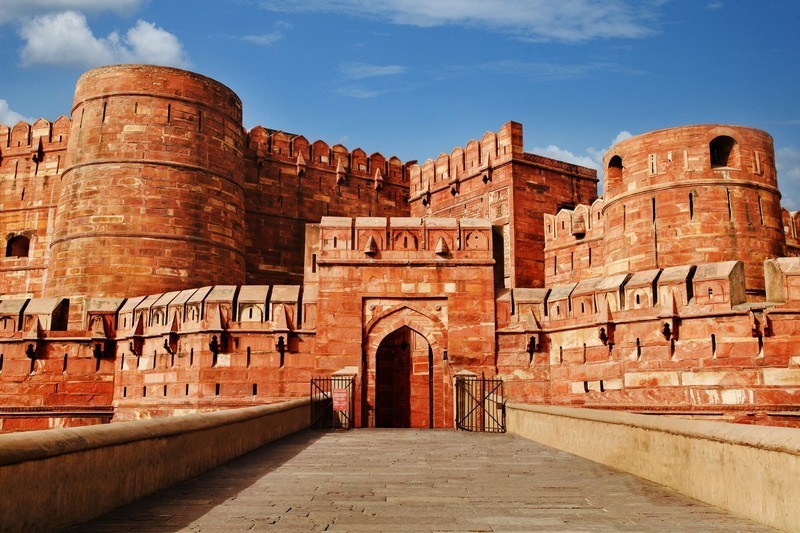
The decline of the Delhi Sultanate (1414–1526 AD) covers the transition from the post-Timur fragmentation under the Sayyid dynasty to the final collapse of the Lodi dynasty at the First Battle of Panipat. This era was characterized by the erosion of the Sultanate’s centralized power, the rise of regional sultanates, and the fundamental incompatibility of Afghan tribal governance with an imperial administrative structure.
Systemic Political Fragmentation
The aftermath of Timur’s invasion in 1398 AD dealt an irreversible blow to the Tughlaq central administration. The political vacuum led to the establishment of independent regional powers, permanently shrinking the Sultanate’s tax base and military reach.
- Independence of Provinces: Powerful governors in Bengal, Gujarat, Malwa, and Jaunpur declared independence, converting the once-vast empire into a regional power centered on the Doab and Punjab.
- Sayyid Vassalage: The Sayyid rulers (1414–1451 AD) functioned as nominal vassals to the Timurid successors, lacking the military and financial capacity to reassert authority over the lost provinces.
- Lodi Tribal Confederation: The Lodi dynasty replaced autocracy with a consultative tribal system, which, while initially stabilizing, lacked the centralized mechanisms required to suppress internal dissent or manage a large empire.
The Afghan Tribal Governance Model
The Lodi Sultans attempted to rule using the Afghan concept of Masnad-i-Ali (first among equals), which fundamentally conflicted with the imperial requirements of the Delhi Sultanate.
- Decentralized Power: Extensive granting of Iqtas to Afghan tribal chiefs empowered local leaders at the expense of the central treasury, creating competing power centers within the state.
- Lack of Hereditary Discipline: The tribal system facilitated frequent power struggles during succession, as various factions vied for control over the Sultan.
- Conflict with Autocracy: Ibrahim Lodi’s failed attempt to transition toward an absolute monarchy triggered a violent backlash from the Afghan nobility, causing a total breakdown of the state’s political command structure.
Military Obsolescence and Strategic Failures
The military failure of the Late Sultanate was a primary driver of its collapse, as it remained trapped in medieval tactical models while neighboring states adopted modern warfare.
- Absence of Gunpowder Artillery: The Lodi army relied on traditional cavalry and elephant formations, failing to integrate the field artillery and matchlocks that Babur utilized to overwhelm the Lodi defense.
- Structural Vulnerability: The military was composed of feudal levies provided by tribal chiefs. This decentralized command led to poor coordination during major conflicts, most notably at the First Battle of Panipat in 1526 AD.
- Loss of Territorial Core: The contraction of the Sultanate to the Doab and Punjab meant the state lost access to the diverse military resources and manpower of the Deccan and the east, leaving it fiscally and militarily exhausted.
Economic and Administrative Constraints
The economic foundations of the late Sultanate were crippled by perpetual instability and ineffective fiscal policies.
- Fiscal Decentralization: Because revenue was tied to non-transferable tribal land grants, the central treasury lacked the liquid capital necessary to maintain a professional, standing army.
- Impact of Invasions: Repeated internal rebellions and the memory of Timur’s sack of Delhi hampered long-term commercial investment and agricultural stability.
- Inconsistent Reforms: While Sikandar Lodi’s introduction of the Gaj-i-Sikandari and the abolition of octroi duties were significant, these reforms could not overcome the deep-seated political divisions that resurfaced under Ibrahim Lodi.
Summary of Factors Leading to Decline
| Factor | Description |
| Political | Fragmentation into independent regional sultanates (Jaunpur, Gujarat, etc.). |
| Governance | Conflict between Afghan tribal consultation and absolute monarchy. |
| Military | Failure to adopt gunpowder, artillery, and disciplined maneuver warfare. |
| Economic | Decentralization of revenue via Iqta grants and loss of wealthy provinces. |
| Internal | Betrayal by key Afghan nobles, including the Governor of Punjab. |
Internal Betrayal and External Invasions
The ultimate collapse of the Sultanate was not merely the result of external pressure but was accelerated by the internal fractures of the Lodi nobility.
- Role of Disaffected Nobles: Powerful figures such as Daulat Khan Lodi (Governor of Punjab) and Alam Khan Lodi actively conspired against Ibrahim Lodi, viewing him as a threat to their traditional autonomy.
- Invitation to Babur: The decision by these nobles to invite Babur, the ruler of Kabul, to intervene in Indian affairs was the final catalyst for the destruction of the Lodi dynasty.
- First Battle of Panipat (1526 AD): The defeat of Ibrahim Lodi, the only Delhi Sultan to die on the battlefield, marked the definitive end of the Delhi Sultanate and the inauguration of the Mughal imperial model.
Historical Significance for UPSC Prelims
- The shift of the capital from Delhi to Agra by Sikandar Lodi in 1504 AD was a direct response to the growing Rajput and regional threats.
- The Sharqi Sultanate of Jaunpur functioned as the most consistent political and cultural rival to the Lodi dynasty before its eventual annexation in 1484 AD.
- The Lodi period is categorized as the first Afghan dynasty of the Delhi Sultanate, bridging the gap between the Turkish-dominated Sultanate and the Mughal Empire.
- The Gaj-i-Sikandari, a unit of land measurement, became a staple of agrarian administration in Northern India for over a century, influencing the later reforms of the Suri and Mughal dynasties.