
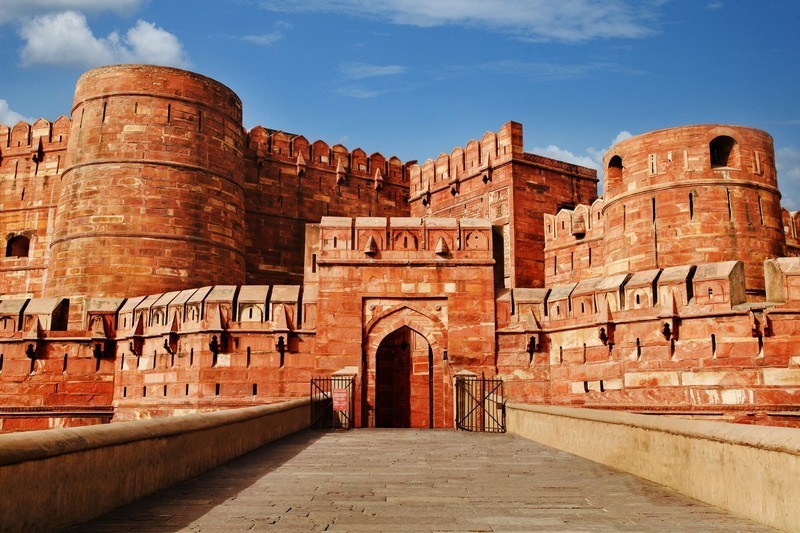
The period between 1414 and 1526 AD marks the twilight of the Delhi Sultanate. It encompasses the transition from the fragmented authority of the Sayyid dynasty to the Afghan-tribal experiment of the Lodi dynasty, eventually concluding with the establishment of the Mughal Empire. This era serves as the bridge between the high medieval period of centralized Turkish rule and the centralized imperial structure of the early modern Mughal state.
The Sayyid Dynasty (1414–1451 AD): A Period of Transition
Following the catastrophic invasion of Timur in 1398 AD and the collapse of the Tughlaq central authority, Khizr Khan established the Sayyid dynasty. Their reign was marked by an inability to consolidate power or restore imperial prestige.
- Political Status: Khizr Khan did not assume the title of Sultan, opting for Rayat-i-Ala, signifying a nominal vassal status to the Timurid rulers.
- Territorial Contraction: The Sultanate was effectively reduced to Delhi, the Doab, and parts of the Punjab. Major provinces like Bengal, Gujarat, Malwa, and Jaunpur functioned as independent sovereign states.
- Court Factionalism: The Sayyid period was plagued by infighting between competing factions of Turkish, Persian, and Indian-Muslim nobility.
- Literary Source: The Tarikh-i-Mubarak Shahi, authored by Yahya bin Ahmad Sirhindi, remains the primary historical record for this period.
The Lodi Dynasty (1451–1526 AD): The Afghan Experiment
The Lodi dynasty, founded by Bahlul Lodi, represented the first Afghan rule in India. They replaced the ineffective Sayyids and introduced a governance model based on Afghan tribal customs.
- Bahlul Lodi (1451–1489 AD): He successfully consolidated his position by annexing the Sharqi Sultanate of Jaunpur in 1484 AD. He promoted the concept of Masnad-i-Ali, where the Sultan was viewed as a leader among tribal peers.
- Sikandar Lodi (1489–1517 AD): Considered the most competent Lodi ruler, he implemented significant administrative reforms. He founded the city of Agra in 1504 AD, shifting the capital to enhance control over the Doab and Rajputana.
- Ibrahim Lodi (1517–1526 AD): His attempt to establish absolute monarchy alienated the powerful Afghan nobility, leading to the internal disintegration of the Sultanate.
Administrative and Economic Reforms
The late Sultanate period featured notable efforts to standardize administration, which influenced later Mughal practices.
- Gaj-i-Sikandari: Introduced by Sikandar Lodi, this unit of land measurement (39 digits) standardized revenue assessment and reduced the arbitrary power of local Iqtadars.
- Revenue Auditing: The Sultanate implemented strict auditing of provincial revenue accounts, requiring Muqtis and Walis to submit financial statements regularly.
- Trade Policy: Sikandar Lodi abolished octroi duties on food grains to stimulate trade and lower the cost of living in urban centers.
- Judicial Framework: Qazis were established in all major towns to ensure the uniform administration of justice according to the Sharia.
Military Structure and Technological Stagnation
The military organization of the late Sultanate suffered from structural decay and a failure to adapt to evolving regional warfare.
- Feudal Levies: The army relied on tribal contingents provided by nobles holding Iqtas. This fragmented command structure prevented the formation of a cohesive, state-controlled professional army.
- Absence of Gunpowder Artillery: The late Sultanate military remained committed to traditional cavalry and elephant-based warfare, failing to integrate the mobile field artillery and matchlocks utilized by contemporary Central Asian forces.
- Disunity in Command: Rivalry among Afghan clans often resulted in military non-cooperation. By 1526 AD, the Afghan nobility was too divided to provide a unified defense against Babur.
Major Causes of Sultanate Decline
The collapse of the Sultanate was a confluence of internal governance failure and shifting external dynamics.
- Incompatibility of Tribal Governance: The Afghan tribal model, designed for decentralized autonomy, could not sustain the requirements of a vast, agrarian, imperial bureaucracy.
- Loss of Revenue-Rich Provinces: The permanent loss of the Deccan, Bengal, and Gujarat deprived the central treasury of the resources necessary to maintain a standing army.
- Internal Betrayal: The invitation extended to Babur by Daulat Khan Lodi (Governor of Punjab) and Alam Khan Lodi (Sultan’s uncle) fundamentally shattered the state’s internal defenses.
- Technological Obsolescence: The failure to adopt gunpowder technology meant that the Sultanate was militarily disadvantaged against the tactics of the Mughal invaders at Panipat.
Comparison of Governance Models
| Feature | Turkish Sultanate | Lodi Afghan Polity |
| Sovereignty | Centralized Autocracy | Tribal Confederation |
| Nobility | Slaves/Servants of the Sultan | Partners/Peers of the Sultan |
| Military | Professional Standing Army | Feudal Tribal Levies |
| Capital | Delhi | Delhi/Agra |
The End of the Sultanate: First Battle of Panipat (1526 AD)
The First Battle of Panipat serves as the terminal point of the Delhi Sultanate.
- Tactical Innovation: Babur utilized the Tulugma (encircling) tactic combined with disciplined field artillery, which devastated the dense Lodi formations.
- Historical Significance: Ibrahim Lodi’s death on the battlefield ended the Lodi dynasty and paved the way for the Mughal transition, marking the commencement of the early modern period in Indian history.
Summary Table: Key Late Sultanate Figures
| Ruler | Dynasty | Contribution/Significance |
| Khizr Khan | Sayyid | Established dynasty; vassal of Timurids. |
| Bahlul Lodi | Lodi | First Afghan Sultan; annexed Jaunpur. |
| Sikandar Lodi | Lodi | Founded Agra; introduced Gaj-i-Sikandari. |
| Ibrahim Lodi | Lodi | Last Sultan; killed at First Battle of Panipat. |