
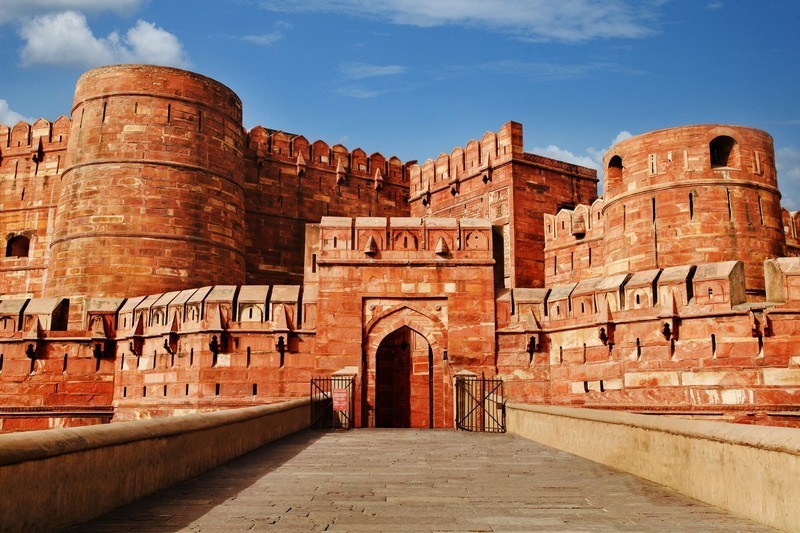
The Wazir, serving as the head of the Diwan-i-Wizarat, was the most significant official in the central administration of the Delhi Sultanate (1206–1526 AD). As the chief advisor to the Sultan and the supervisor of the state’s financial administration, the Wazir functioned as the vital bridge between the royal authority and the bureaucratic machinery.
Responsibilities of the Wazir
The Wazir’s primary role was the management of the state’s fiscal health, but the scope of the office often expanded based on the Sultan’s trust and the political climate.
- Financial Management: The Wazir supervised the entire revenue administration, including the assessment and collection of land revenue (Kharaj), taxes on trade, and the management of royal stipends.
- Administrative Oversight: He directed the activities of the Diwan-i-Wizarat, ensuring the maintenance of accounts for both the central treasury and the provincial Iqtas.
- Policy Advisor: Beyond finance, the Wazir acted as the Sultan’s principal advisor on administrative, political, and even military matters, often influencing the Sultan’s policy-making process.
- Supervision of Officials: He exercised authority over the Mustaufi-i-Mumalik (Auditor General) and the Mushrif-i-Mumalik (Accountant General), who were responsible for the detailed auditing of state accounts.
- Crisis Management: In periods of the Sultan’s absence or illness, a powerful Wazir often took charge of the day-to-day governance, effectively functioning as the de facto head of the government.
The Wazir in Different Dynastic Contexts
The influence and nature of the Wazir’s office varied significantly across the dynasties, reflecting the shifting balance of power between the Sultan and the administrative bureaucracy.
- Mamluk Period: The Wazir was primarily a military-administrative figure. Due to the military nature of the dynasty, the office often faced competition from military commanders for the Sultan’s influence.
- Khalji Period: Alauddin Khalji kept the Wazir on a tight leash, maintaining a highly centralized bureaucracy where financial reforms were strictly monitored by the Sultan himself to curb corruption.
- Tughlaq Period: This period saw the zenith of the Wazir’s administrative authority. Under the Tughlaqs, the Diwan-i-Wizarat was professionalized, and the Wazir gained significant control over the expansive bureaucracy required to manage a vast empire.
- Lodi Period: The Wazir’s role became increasingly tied to the Afghan tribal structure. The Lodi Wazirs often had to balance the central fiscal needs of the state with the autonomous financial powers held by Afghan tribal chiefs.
Key Financial Officials under the Wazir
The Wazir’s effectiveness was supported by a hierarchy of financial officials who managed the intricacies of the Sultanate’s revenue system:
- Mustaufi-i-Mumalik: Held the responsibility of auditing the income and expenditure of the state.
- Mushrif-i-Mumalik: Responsible for maintaining the accounts of income and expenditure.
- Majmuadar: Maintained records of loans and advances given by the state.
- Khazin: The royal treasurer, responsible for the safe custody of the Sultanate’s wealth.
Historical Significance and Facts
- Administrative Language: The office of the Wazir was deeply rooted in the Persian administrative tradition. The records and official correspondence handled by the Wazir’s department were conducted in Persian, which remained the lingua franca of the Sultanate’s administration.
- The Wazir’s Council: The department of the Wazir often operated as a council where senior accountants and provincial revenue officers met to reconcile the financial accounts of the various Iqtas.
- Checks on the Wazir: While powerful, the Wazir was subject to the Sultan’s surveillance. Any discrepancy in accounts or evidence of corruption could lead to immediate dismissal, confiscation of property, or execution, as seen in the frequent turnovers of Wazirs during the reign of Muhammad bin Tughlaq.
- Transition to Mughal Administration: The administrative framework developed for the office of the Wazir during the Tughlaq and Lodi periods served as a primary template for the later Mughal Diwan-i-Ala.
- Historical Trivia: The most powerful Wazirs in the Sultanate, such as Khwaja Jahan under Firoz Shah Tughlaq, often wielded more effective control over the empire’s administration than the Sultans themselves during times of royal preoccupation or military engagement.