
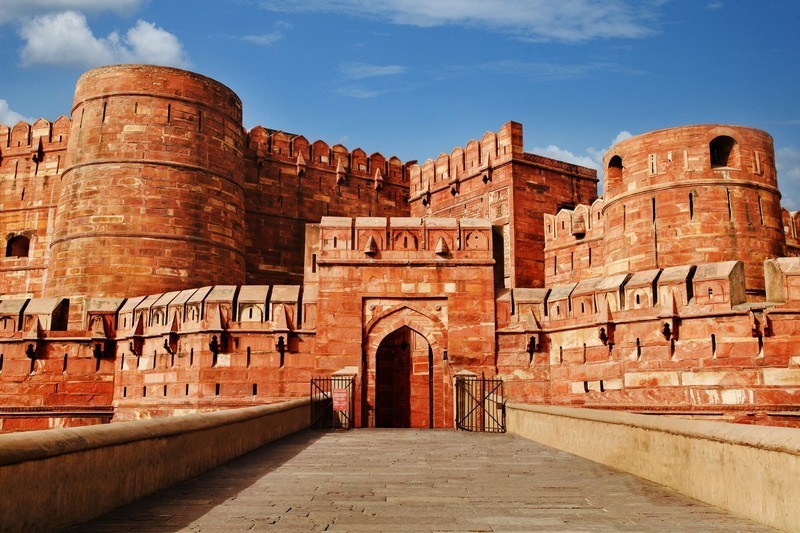
The Sadr-us-Sudur served as one of the most vital officials in the central administration of the Delhi Sultanate. He was the head of the religious and judicial department, responsible for coordinating the activities of the Ulema (religious scholars) and managing the spiritual and charitable affairs of the state. As the primary intermediary between the Sultan and the religious establishment, the Sadr-us-Sudur wielded considerable influence over the social and cultural policies of the empire.
Functions and Responsibilities
The office of the Sadr-us-Sudur was multifaceted, focusing on religious orthodoxy, the management of state-sponsored charities, and judicial appointments.
- Supervision of Religious Endowments: The Sadr managed the allocation and administration of Waqf (religious endowments) and Inam (tax-free land grants) given to mosques, Madrasas, and Sufi shrines.
- Judicial Appointments: In his capacity as the head of the ecclesiastical department, the Sadr advised the Sultan on the appointment of Qazis (judges) and other religious officials across the empire.
- Distribution of Stipends: The department overseen by the Sadr was responsible for distributing regular financial stipends to scholars, students, and the destitute, ensuring the patronage of Islamic learning.
- Religious Counsel: The Sadr-us-Sudur served as the chief advisor to the Sultan on matters of Sharia compliance and religious policy. He played a key role in drafting state decisions concerning the Muslim community.
- Maintenance of Orthodoxy: He ensured that the educational curriculum in Madrasas adhered to established theological standards and protected the interests of the Ulema class within the administrative hierarchy.
Administrative Hierarchy and Authority
The Sadr-us-Sudur operated within a well-defined bureaucratic structure, often holding the highest rank among the religious administrative officials.
- Institutional Independence: While the Sadr was appointed by the Sultan, the office possessed a high degree of autonomy in managing local religious affairs, provided they remained aligned with state interests.
- Coordination with the Judiciary: The Sadr worked closely with the Qazi-ul-Quzat. While the Qazi focused on legal disputes, the Sadr focused on the personnel and resources behind the judicial and religious systems.
- Financial Oversight: The Sadr’s department maintained extensive records of all charitable land grants. Each grant required validation from the central office, a process that allowed the state to monitor the wealth and influence of religious institutions.
The Sadr-us-Sudur in Different Administrative Contexts
The power of the Sadr-us-Sudur varied according to the ruling dynasty’s relationship with the Ulema and the religious orthodoxy.
- Mamluk and Khalji Periods: During these periods, the Sadr acted primarily as an instrument of state policy. Sultans like Alauddin Khalji were famously assertive and ensured that the Sadr did not interfere with the state’s political or economic reforms.
- Tughlaq Period: This era marked the peak of the Sadr-us-Sudur’s institutional influence. The expansion of the Sultanate led to a proliferation of Madrasas and mosques, requiring a more robust and expansive management by the Sadr’s department.
- Lodi Period: The office maintained its traditional duties but operated within the more decentralized and consultative Afghan tribal structure. The Sadr continued to validate land grants, which were essential for maintaining the support of the various Afghan clans.
Comparative Overview of Central Officials
The Sadr-us-Sudur occupied a unique position alongside other central ministers, focusing on the social and religious dimensions of governance.
| Official | Department | Focus Area |
| Wazir | Diwan-i-Wizarat | Finance and Revenue |
| Ariz-i-Mumalik | Diwan-i-Arz | Military and Defense |
| Dabir-i-Khas | Diwan-i-Insha | Correspondence and Decrees |
| Sadr-us-Sudur | Diwan-i-Risalat (often) | Religion and Charity |
Historical Facts and Administrative Trivia
- Dual Title: In some periods, the Sadr-us-Sudur was also referred to as the Qazi-i-Mumalik, effectively merging the headship of the judiciary with the ecclesiastical department.
- Control Mechanism: The Sultan used the Sadr to keep the Ulema in check; by granting or withholding land and stipends through the Sadr, the Sultan could reward loyal scholars or punish those who opposed state policy.
- Educational Impact: The Sadr was the primary patron of the Sultanate’s educational system. The proliferation of specialized schools for logic, theology, and law during the Tughlaq period was largely attributed to the effective administration of the Sadr’s department.
- Legacy: The administrative framework of the Sadr-us-Sudur was directly adopted by the Mughal Empire, where the Sadr-us-Sudur continued to be one of the four main pillars of the central government, responsible for grants and religious policy.
- Documentation: Every grant of land (Inam/Waqf) required a formal document (Sanad) issued by the Sadr’s office, which was essential for the legal protection of the grantee’s landholdings.