
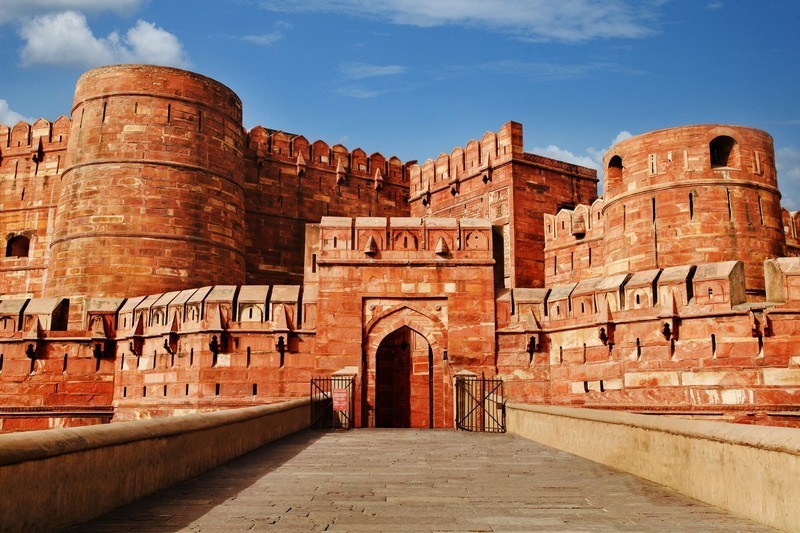
The Ariz-i-Mumalik served as the head of the Diwan-i-Arz, the central military department of the Delhi Sultanate. Established to formalize the military structure, this office was responsible for the recruitment, training, equipping, and payment of the Sultanate’s armed forces. While the Sultan remained the supreme commander and the ultimate authority on military strategy, the Ariz-i-Mumalik acted as the chief administrative officer for the military establishment, ensuring the readiness and logistical support of the army.
Functions of the Ariz-i-Mumalik
The duties of the Ariz-i-Mumalik were strictly administrative, distinguishing the office from that of a field commander. His primary functions included:
- Recruitment and Muster: The Ariz was responsible for the induction of new soldiers into the royal army. He conducted periodic musters to verify the presence and combat readiness of troops.
- Maintenance of Records: The department kept detailed descriptive rolls of soldiers (Chehra) and records of the horses (Dagh) assigned to individual troopers, a system introduced to prevent the fraudulent practice of replacing soldiers or horses during inspections.
- Salary Disbursement: He oversaw the payment of salaries to the military personnel. Payments were often made in cash (naqd) or through land assignments (Iqtas), which required close coordination with the Diwan-i-Wizarat.
- Supply and Logistics: The Ariz managed the procurement and distribution of military supplies, including weapons, armor, and provisions for long-distance campaigns.
- Inspection of Troops: He conducted regular inspections of the provincial forces and the contingents maintained by the Iqtadars to ensure they met the standards of the central army.
Historical Evolution of the Military Department
The office of the Ariz-i-Mumalik gained institutional prominence at different stages of the Sultanate:
- Balban’s Reform: Ghiyasuddin Balban was the first to establish the Diwan-i-Arz as a separate, powerful department. By creating this office, he reduced the influence of the powerful Turkish military commanders and asserted the Sultan’s direct control over the military.
- Alauddin Khalji’s Centralization: Under Alauddin Khalji, the Diwan-i-Arz reached its peak of efficiency. He implemented the rigorous Dagh (branding) and Chehra (descriptive rolls) systems to prevent corruption. These reforms allowed the Sultan to maintain a large, state-paid standing army.
- Tughlaq Expansion: The Tughlaqs expanded the scope of the military department to manage the logistics of a vastly expanded empire, often dealing with the maintenance of a multi-ethnic army, including foreign mercenaries.
- Lodi Decentralization: During the Lodi period, the authority of the Ariz-i-Mumalik declined. Because the military was increasingly composed of autonomous Afghan tribal levies, the centralized control over recruitment and discipline was fragmented.
The Military-Bureaucratic Hierarchy
The Ariz-i-Mumalik relied on a structured administrative staff to oversee the military operations of the Sultanate:
- Naib-i-Ariz: The deputy who assisted the Ariz-i-Mumalik in his day-to-day duties.
- Mushrif-i-Arz: The official responsible for maintaining the financial records of the military department, ensuring that salary disbursements were accurately accounted for.
- Wazir-i-Lashkar: An official occasionally involved in the coordination of military logistics and financial requirements between the Diwan-i-Arz and the central treasury.
Comparative Authority: Ariz vs. Wazir
While both were central officials, their roles were clearly delineated:
- Wazir: The chief advisor for civil and fiscal administration. His primary concern was the generation of revenue and the overall economic stability of the Sultanate.
- Ariz-i-Mumalik: The chief administrative officer for the military. His primary concern was the conversion of revenue into military capability.
- Conflict of Interest: A recurring tension existed between these two offices. The Wazir frequently sought to limit military expenditures, while the Ariz advocated for increased funding to maintain the army’s combat effectiveness.
Historical Facts and Administrative Trivia
- Non-Command Role: Historically, the Ariz-i-Mumalik was not necessarily a field general. While he managed the army’s logistics and personnel, the Sultan or a trusted commander usually led the forces in actual battle.
- Professionalization: The system of Dagh and Chehra, standardized under the Diwan-i-Arz, is considered the most significant administrative reform in the military history of the Sultanate, effectively reducing embezzlement by nobles.
- Mongol Threat: The establishment of the Diwan-i-Arz was largely a response to the constant Mongol threat. The need for a rapid-response, disciplined army necessitated a department that could handle military administration independently of civil governance.
- Linguistic Usage: The administrative language of the military records, including recruitment rolls and salary logs, was Persian, which maintained high standards of documentation throughout the Sultanate period.
- Legacy: The administrative foundation laid by the Diwan-i-Arz was later adapted by the Suri dynasty and the Mughal Empire, forming the basis for the Mir Bakshi’s office in the Mughal military administration.