
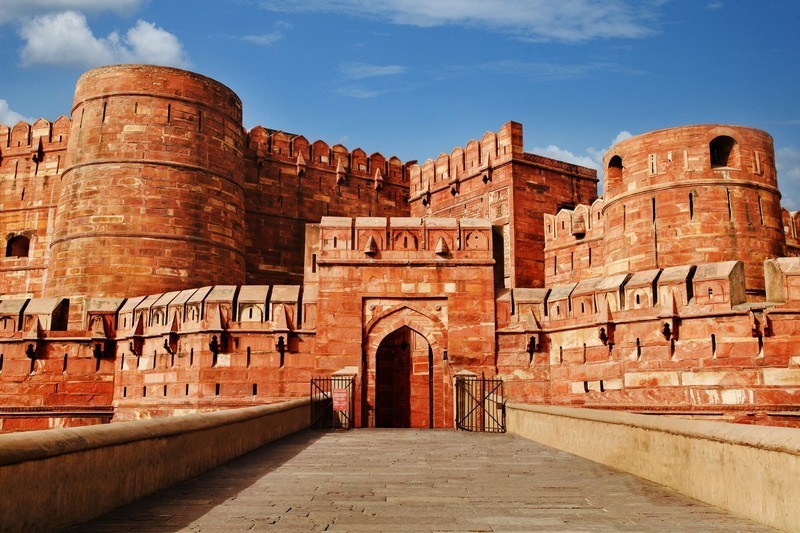
The strategic isolation of the Bengal region from Delhi, driven by its riverine terrain and distance, catalyzed recurrent rebellions by local governors. This led to the formation of the independent Bengal Sultanate in 1338, which persisted as a sovereign power until its integration into the Mughal Empire in 1576. This political independence allowed Bengal to establish an autonomous, highly lucrative maritime and overland commercial ecosystem that connected the Indian Ocean with East Asia, Central Asia, and Europe.
Chronological Milestones of Bengal’s Commercial Integration
- 1202–1204 CE: Ikhtiyar uddin Muhammad bin Bakhtiyar Khalji annexed Gauda (Lakhnauti), integrating Bengal into the pan-Islamic trade networks of the Delhi Sultanate.
- 1338 CE: Fakhruddin Mubarak Shah proclaimed independence in Sonargaon, initiating an era where trade policies were dictated by local economic benefits rather than imperial tribute to Delhi.
- 1405–1433 CE: The Ming treasure voyages under Admiral Zheng He visited Bengal ports multiple times, cementing high-value diplomatic and commercial exchanges.
- 1530s CE: The Portuguese established formal custom-houses (feitorias) at Chittagong and Satgaon, marking the entry of European direct maritime trade into the Bengal delta.
The Currency System and Fiscal Administration
The fiscal stability of the Bengal Sultanate was anchored on a robust bimetallic and shell-based monetary framework that facilitated both large-scale international transactions and day-to-day local retail commerce.
The Silver Taka Standard
- Weight and Purity: The core currency was the silver Taka (tankah), which maintained a highly standardized weight parameter of roughly 170 to 175 grains of high-purity silver throughout successive dynasties.
- Political Legitimacy: The coins were minted uniformly across an extensive network of designated urban centers known as mint towns (Dar-ul-Zarb). The legends on these coins frequently featured the names of the four Rightly Guided Caliphs (Khulafa-e-Rashidun) alongside the ruling Sultan’s name to reinforce religious and political authority.
- The Mint Town Network: Key fiscal administration hubs included Lakhnauti, Satgaon, Sonargaon, Muazzamabad, Shahr-i-Naw, and Fathabad, which regulated the flow of bullion and commercial revenues from the agrarian hinterland.
The Fractional Cowrie System
- Import and Function: While silver cleared high-value international trade contracts, internal day-to-day marketplace transactions relied entirely on cowrie shells (kauri). These shells were imported in massive quantities from the Maldives in exchange for Bengal rice and textiles.
- Economic Stability: The use of cowries provided a flexible and inflation-resistant fractional currency that allowed even the poorest agrarian workers to participate actively in the monetized economy.
Agrarian and Industrial Production Matrix
Bengal’s commercial dominance relied on a unique combination of intensive agricultural surplus and highly specialized industrial manufacturing.
Agrarian Abundance and Cash Crops
- The Granary of the East: The fertile, alluvial deltaic soil facilitated intensive wet-rice cultivation, yielding up to three harvests a year. This made Bengal a vital exporter of grain to food-deficit regions like the Maldives and Southern India.
- Commercial Agriculture: The region produced high-value cash crops on a large scale, including sugarcane (processed into refined sugar and granulated qand), cotton, betel nut, ginger, long pepper, and coconut.
Textile Industrialization
- Muslin Production: Sonargaon emerged as the premier global center for the manufacture of fine muslin textiles. These handwoven cotton fabrics were celebrated for their extraordinary fineness and lightweight quality.
- Royal Workshops (Karkhanas): Successive dynasties, particularly the Ilyas Shahi and Hussain Shahi rulers, financed state-controlled workshops that produced luxury textiles, including gold-embroidered silks, colored cotton pieces, and high-grade linen for export to foreign courts.
Shipbuilding and Paper Manufacturing
- Maritime Logistics: The abundant availability of quality timber like sundari wood in the delta fostered a flourishing shipbuilding industry at Chittagong and Sonargaon. These yards constructed ocean-going merchant junks and specialized riverine war galleys (Nowwara).
- Chinese Technology Transfer: Contemporary Chinese accounts note that Bengal craftsmen adopted Chinese technical methods to manufacture high-quality, smooth paper from bark, replacing traditional palm leaves for administrative and commercial record-keeping.
External Trade Routes and Global Connections
The geography of the Bengal delta allowed the Sultanate to control both overland paths into Central Asia and major maritime lanes across the Indian Ocean. [Central Asia & Tibet] │ (Overland Route) │ ▼ [Gaur / Pandua / Sonargaon] ──(Overland)── [Northern & Western India] │ (Riverine/Maritime) │ ▼ [Chittagong & Satgaon] │ ┌───────┴───────┐ ▼ ▼ [Indian Ocean] [South China Sea] – Maldives – Ming China – Malacca – Southeast Asia – Persian Gulf – East Africa
Maritime Trade Networks
- The Eastern Axis: Bengal maintained a lucrative maritime route to the Strait of Malacca, Sumatra, and Java. Merchant vessels exported cotton textiles, iron axes, and pulse grains, returning with spices, aromatic woods, and tin.
- The Western Axis: Vessels sailed from Bengal across the Indian Ocean to Ceylon, the Malabar Coast, the Persian Gulf, and the Red Sea ports, carrying fine textiles, sugar, and ginger to markets in Egypt, Persia, and the Ottoman Empire.
- The Chinese Connection: Diplomatic exchanges with the Ming Dynasty between 1405 and 1433 CE opened direct access to Chinese luxury markets. Bengal exported high-value textiles, horses, and silver, receiving Chinese silk, porcelain, and blue-and-white ceramics in return.
Overland Trade Routes
- The Himalayan Passages: Bengal was connected to Tibet, Bhutan, and Yunnan through overland trade routes running via Kamarupa (Assam) and the Dooars. This network was critical for importing Central Asian war-horses, which were essential for the Sultanate’s military since cavalry mounts could not be bred successfully in Bengal’s humid climate.
- The Northern Indian Highway: The delta maintained overland commercial links with Northern India, which were later consolidated by the Afghan ruler Sher Shah Suri through the development of the Sadak-e-Azam (the Grand Trunk Road) connecting Sonargaon to Attock.
Port Infrastructure and Foreign Mercantile Communities
The commercial economy was anchored by twin major ports that handled international maritime trade, earning distinct designations from foreign travelers.
Chittagong (Porto Grande)
- Strategic Value: Located at the mouth of the Meghna River, Chittagong served as the primary deep-water gateway for trade with Southeast Asia and China.
- The Arakanese and Tripura Conflict: Control over this port fluctuated between the Bengal Sultanate, the Kingdom of Tripura, and the Kingdom of Arakan, due to the immense customs revenue it generated.
Satgaon (Porto Pequeno)
- Strategic Value: Situated on the Saraswati river channel in South-West Bengal, Satgaon handled the bulk of maritime traffic facing Southern India, Ceylon, and the Persian Gulf.
- The Portuguese Interface: During the reign of the last Hussain Shahi ruler, Ghiyasuddin Mahmud Shah, Portuguese privateers and merchants arrived in numbers. In exchange for military assistance against the Afghan leader Sher Shah Suri, the Sultan granted the Portuguese permission to establish customs houses and factories at both Satgaon and Chittagong, creating the first institutional European trade footholds in the region.
Summary of Import-Export Commodities
| Category | Specific Commodities traded by the Bengal Sultanate | Primary Geopolitical Destinations / Sources |
| Major Exports | Fine Muslin, Cotton Fabrics, Silk Embroideries, Refined Sugar, Rice, Ginger, Long Pepper, Longbows, Slave Labor. | Ming China, Malacca Sultanate, Maldives, Kingdom of Vijayanagara, Persian Gulf, East Africa. |
| Major Imports | Central Asian War-horses, Silver Bullion, Gold, Chinese Silk, Porcelain, Maldivian Cowrie Shells, Spices (Nutmeg, Cloves), Tin. | Tibet/Central Asia (via Bhutan), Ming China, Maldives, Moluccas, Southeast Asia. |
UPSC Prelims Historical Trivia
The Giraffe Diplomacy
In 1414 CE, Bengal envoys under Sultan Saifuddin Hamzah Shah presented a live African giraffe—obtained from East African maritime traders—to the Ming Emperor Yongle in Beijing. The Chinese court identified the animal as the legendary Qilin (unicorn), viewing it as a sign of cosmic favor for both the Bengal Sultanate and the Ming Empire.
Ma Huan’s Observations
Ma Huan, a Chinese Muslim interpreter who accompanied Admiral Zheng He to Bengal in 1413 CE, left detailed accounts of the markets in Pandua and Gaur. He recorded that the local textile industry produced at least six distinct varieties of fine cotton cloth, including a highly prized, glossy fabric called Bi-bu (muslin) that was made in rolls over three feet wide.
The Eco-System of the Maldivian Trade
The trade link between Bengal and the Maldives was a highly interdependent economic cycle. Bengal merchant ships carried regular shipments of rice—which the sandy Maldivian atolls could not produce—to the islands. In return, they loaded their vessels entirely with cowrie shells, which were then brought back to the delta to maintain Bengal’s internal fractional currency system.
Last Modified: June 22, 2026