
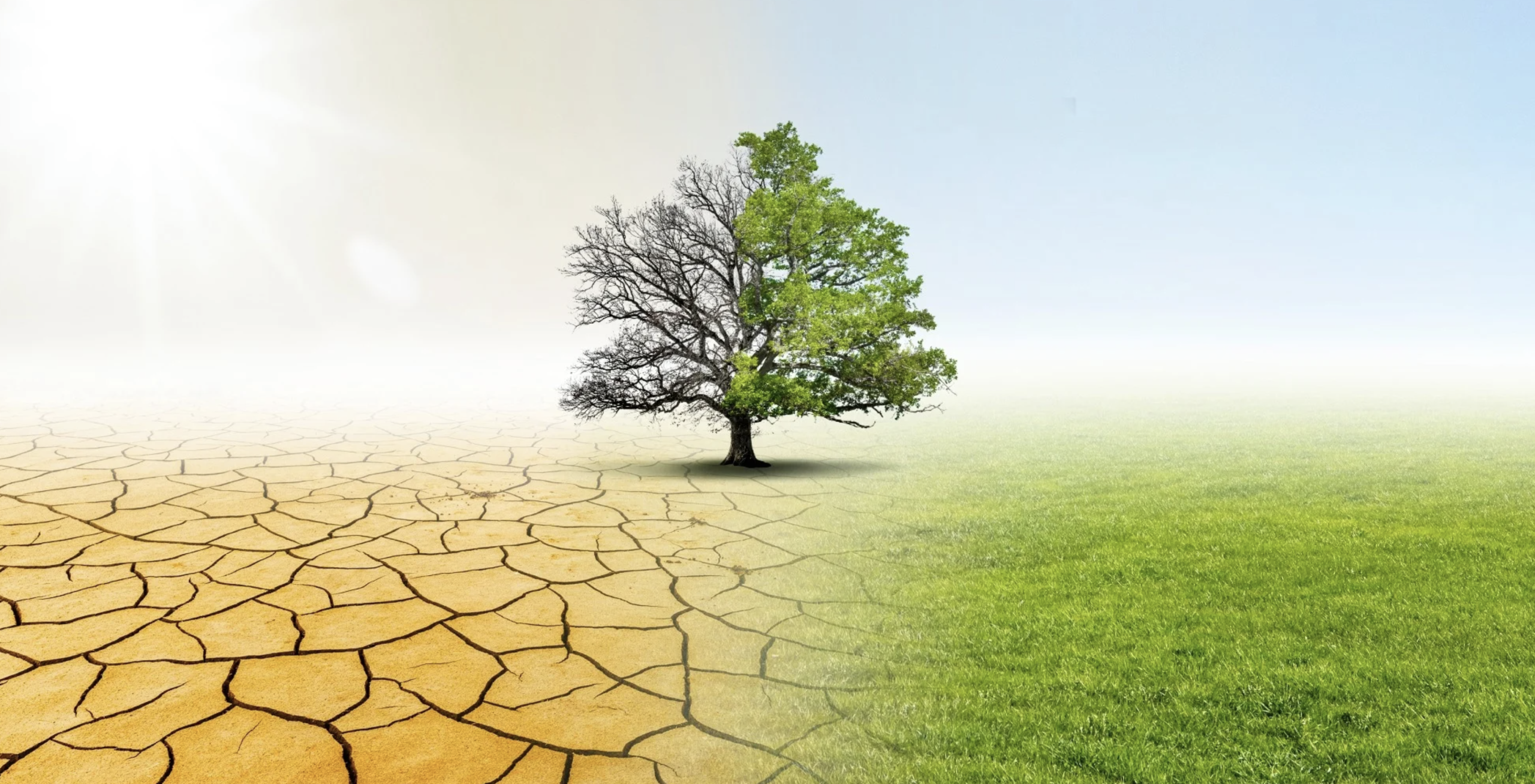
Environmental science is a multidisciplinary field that explores the intricate relationships between living organisms and their surroundings. It encompasses a wide range of topics, from ecology to climatology, and aims to understand the impact of human activities on the environment.
Ecology: Understanding Ecosystems
Ecology is a cornerstone of environmental science, focusing on the interactions between organisms and their environments. Ecosystems, the basic units of ecological study, consist of living organisms and their physical and chemical surroundings. For instance, a forest ecosystem includes trees, animals, soil, and climate. Human activities, such as deforestation or pollution, can disrupt these ecosystems, leading to ecological imbalance.
Biodiversity: The Variety of Life
Biodiversity refers to the variety of life on Earth, encompassing the richness of species, genetic diversity, and ecosystems. It plays a crucial role in maintaining ecological balance and providing ecosystem services. The loss of biodiversity, often accelerated by habitat destruction and climate change, can have far-reaching consequences. For example, the decline in bee populations threatens pollination services essential for agriculture.
Climate Change: Global Impact of Human Activities
Climate change, driven by human activities such as the burning of fossil fuels, deforestation, and industrial processes, is a pressing environmental issue. The increase in greenhouse gas emissions contributes to global warming, leading to changes in weather patterns, rising sea levels, and extreme events. Understanding climate change is crucial for implementing mitigation and adaptation strategies to protect vulnerable communities and ecosystems.
Pollution: Threats to Air, Water, and Soil Quality
Pollution is the introduction of contaminants into the environment, compromising its quality. Air pollution, caused by vehicle emissions and industrial activities, can lead to respiratory problems. Water pollution, often a result of industrial discharges and agricultural runoff, poses threats to aquatic ecosystems and human health. Soil pollution, from improper waste disposal and the use of pesticides, affects the fertility of the land.
Renewable Energy: Sustainable Power Sources
The growing demand for energy, coupled with environmental concerns, has led to a focus on renewable energy sources. Solar, wind, hydro, and geothermal energy are examples of sustainable alternatives that reduce reliance on fossil fuels. The transition to renewable energy is essential for mitigating climate change and reducing environmental degradation associated with traditional energy sources.
Sustainable Development: Balancing Progress and Conservation
Sustainable development seeks to meet the needs of the present without compromising the ability of future generations to meet their own needs. It involves integrating economic, social, and environmental considerations into decision-making processes. For instance, sustainable agriculture practices aim to maximize productivity while minimizing negative environmental impacts, ensuring the long-term viability of farming.
Waste Management: Reducing Environmental Footprint
Effective waste management is critical for minimizing the environmental impact of human activities. Recycling, composting, and proper disposal methods help reduce the accumulation of waste in landfills and prevent pollution. The concept of a circular economy, where resources are reused and recycled, is gaining momentum as a sustainable approach to waste management.
Key Data Table: Environmental Indicators
| Environmental Indicator | Measurement | Global Trends |
| Greenhouse Gas Emissions | CO2 equivalents per capita | Increasing due to industrialization |
| Deforestation | Forest cover loss (hectares) | Continues, contributing to biodiversity loss |
| Sea Level Rise | Millimeters per year | Accelerating due to melting ice caps |
| Air Quality Index | Particulate matter (PM) levels | Varied, with urban areas facing higher levels |
| Biodiversity Loss | Extinction rates | Alarming, especially for vulnerable species |
Environmental science provides a comprehensive understanding of the complex interactions between humans and the environment. By grasping these fundamental concepts, individuals, communities, and policymakers can work towards sustainable practices that promote the health and longevity of our planet.
Last Modified: February 22, 2024