
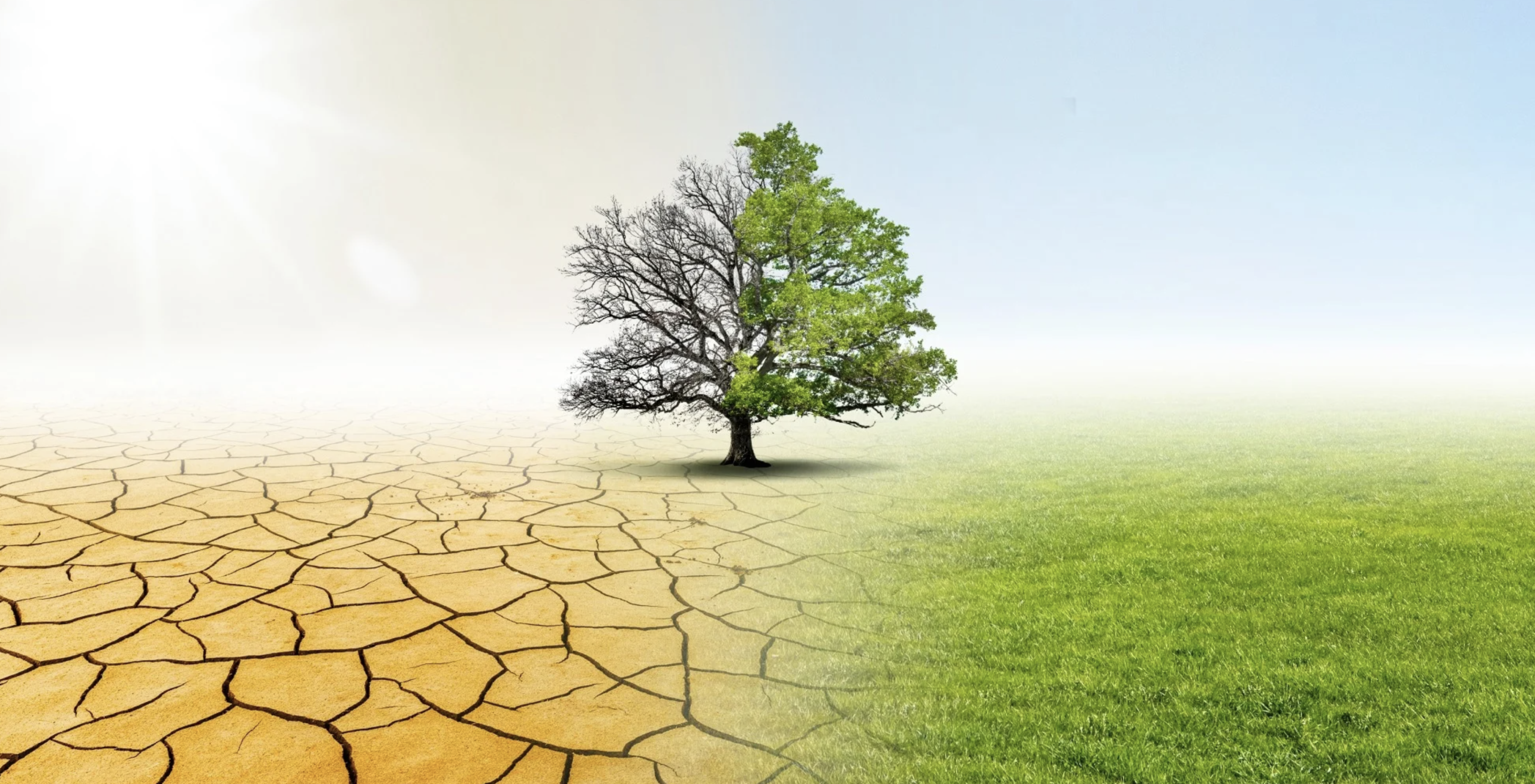
Green GDP is an economic indicator that adjusts the conventional Gross Domestic Product (GDP) by accounting for environmental consequences. It quantifies the depletion of natural resources and the degradation of the environment caused by economic activities. Unlike standard GDP, which treats natural resources as “free” inputs, Green GDP recognizes them as Natural Capital that depreciates over time.
Mathematical Representation
The fundamental formula for calculating Green GDP involves subtracting environmental costs from the national output. Green GDP = GDP – (ED + NRC) Where:
- ED: Environmental Degradation (pollution, loss of biodiversity).
- NRC: Natural Resource Consumption (depletion of minerals, forests, and water).
Historical Evolution and Global Frameworks
The concept emerged as a response to the limitations of the System of National Accounts (SNA).
- 1992 Rio Earth Summit: The first major global push to integrate environmental and economic accounting.
- SEEA (System of Environmental-Economic Accounting): An international statistical standard adopted by the UN. it provides a framework for organizing environmental and economic statistics.
- Wealth of Nations Report: A World Bank initiative that uses “Adjusted Net Savings” as a proxy for sustainability, measuring the change in total wealth (including natural capital).
Green GDP in India: Institutional Mechanisms
India has transitioned from conceptual discussion to institutional data collection through the Ministry of Statistics and Programme Implementation (MoSPI).
The Partha Dasgupta Committee (2011)
The Government of India commissioned an expert group led by Sir Partha Dasgupta to develop a framework for Green National Accounts. Key recommendations included:
- Distinguishing between “Flows” (annual GDP) and “Stocks” (Natural Capital).
- Valuing ecosystem services such as carbon sequestration, pollination, and water purification.
- Integrating environmental accounts into the Ministry’s regular statistical cycle.
EnviStats India
MoSPI publishes the EnviStats India report annually. It follows the UN SEEA framework and provides data on:
- Physical Accounts: Quantity of assets like land, water, and minerals.
- Monetary Accounts: Economic value of these assets and the cost of their depletion.
Core Components of Environmental Accounting
To achieve a 360° view, Green GDP must account for various environmental pillars:
| Component | Description | Impact on Green GDP |
| Forest Resources | Value of timber and non-timber forest produce. | Subtraction based on deforestation rates. |
| Mineral Assets | Depletion of subsoil assets (coal, iron ore, oil). | Reduction due to non-renewable extraction. |
| Air & Water Quality | Health costs and cleanup costs of pollution. | Deduction based on pollution-related healthcare spend. |
| Carbon Footprint | Economic cost of greenhouse gas emissions. | “Social Cost of Carbon” is deducted from growth figures. |
| Biodiversity | Loss of species and ecosystem resilience. | Complex valuation of genetic and aesthetic resources. |
Comparative Analysis: GDP vs. Green GDP
Standard GDP can often provide a “false positive” for economic health by showing growth while the nation’s life-support systems are collapsing.
- Growth Paradox: A massive oil spill increases traditional GDP (due to cleanup spending and legal fees) but drastically reduces Green GDP (due to ecological destruction).
- Asset vs. Income: Traditional GDP treats the sale of natural resources as income, whereas Green GDP treats it as the liquidation of an asset.
Implementation Challenges for India
- Valuation Subjectivity: Assigning a rupee value to a tiger’s role in an ecosystem or the cultural value of the Ganges is technically difficult.
- Data Fragmentation: Lack of granular data at the district or state level regarding groundwater tables and soil nutrients.
- Developmental Pressure: For a developing economy like India, reporting a lower “Green” growth rate can affect international credit ratings and FDI.
UPSC Prelims Facts and Trivia
- 15th Finance Commission: Used “Forest and Ecology” as a criterion for tax devolution, assigning it a 10% weightage, which is a practical application of environmental valuing.
- Gross Environment Product (GEP): Uttarakhand became the first Indian state to announce that it would measure GEP alongside GDP to assess its natural wealth.
- Inclusive Wealth Report (IWR): A biennial report by the UN that measures the wealth of nations by looking at manufactured, human, and natural capital.
- Genuine Progress Indicator (GPI): A related metric that goes beyond Green GDP to include social factors like crime rates, income inequality, and volunteer work.
Strategic Importance of Green GDP
- Sustainable Development Goals (SDGs): Direct alignment with SDG 12 (Responsible Consumption) and SDG 13 (Climate Action).
- Evidence-Based Policy: Helps in making informed decisions about land use, industrial permits, and conservation subsidies.
- Climate Finance: Accurate Green National Accounts strengthen India’s case for climate compensation and “Loss and Damage” funds at global forums like COP.