
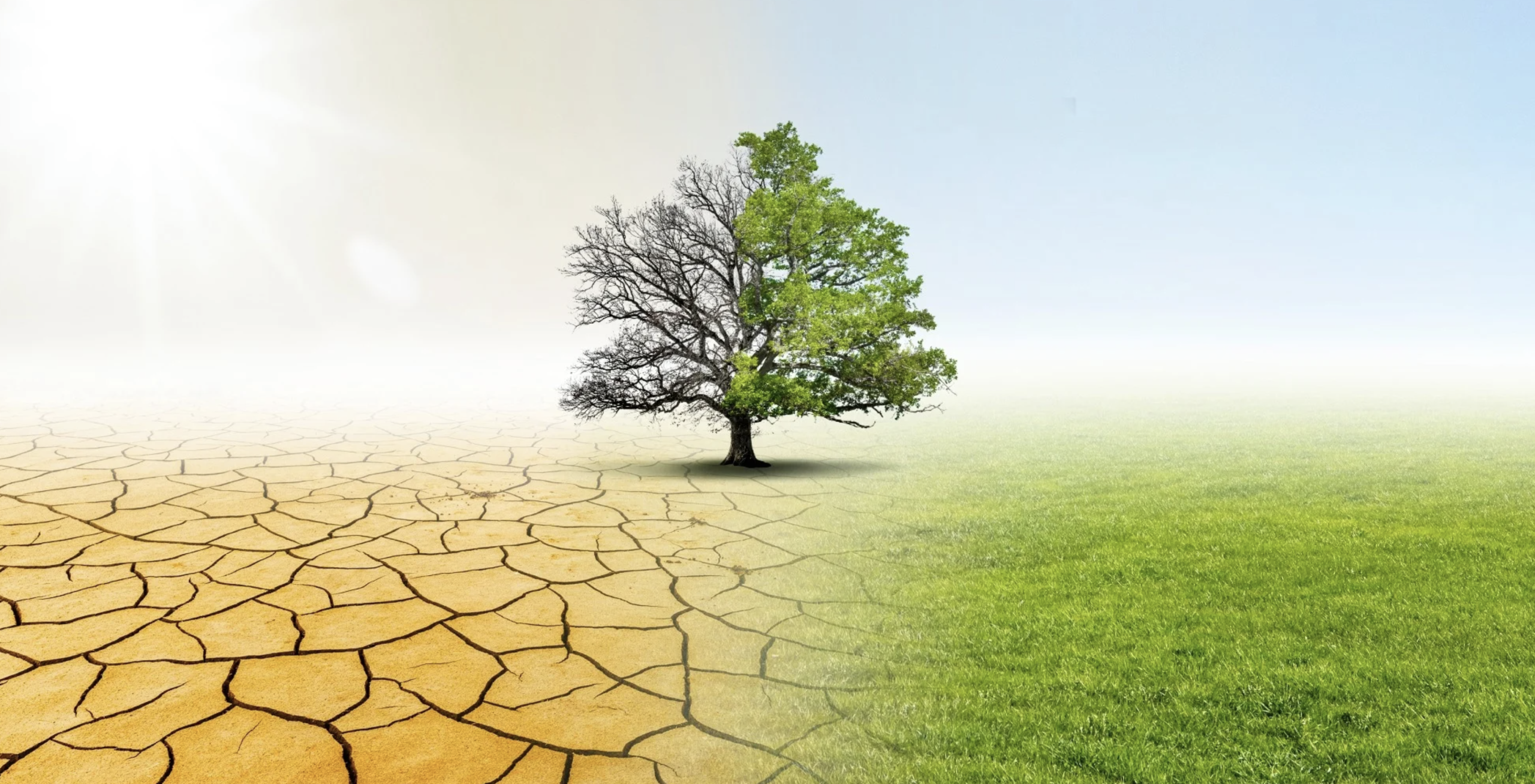
Soil pollution refers to the presence of toxic chemicals, salts, radioactive materials, or disease-causing agents in the soil which have adverse effects on plant growth, animal health, and groundwater quality. Unlike air or water pollution, soil pollution is often “silent” as its effects take longer to manifest in the food chain.
Major Causes and Sources of Soil Contamination
Soil quality is degraded through both direct chemical input and the indirect deposition of pollutants.
Agricultural Activities
- Agrochemicals: Excessive use of nitrogenous fertilizers, phosphatic fertilizers, and synthetic pesticides (herbicides, insecticides, fungicides).
- Salinization: Over-irrigation in arid regions leads to “capillary action,” where salts from deeper layers are brought to the surface, rendering the soil infertile (common in Punjab and Haryana).
Industrial and Mining Waste
- Heavy Metals: Discharge of untreated effluents containing Lead (Pb), Mercury (Hg), Cadmium (Cd), and Arsenic (As).
- Fly Ash: Deposition from thermal power plants.
- Tailings: Mining debris that often contains acidic compounds and metal ores that leach into the surrounding earth.
Urban and Municipal Waste
- Leachate: The toxic liquid that seeps out of unlined landfills, carrying a cocktail of chemicals into the soil and underlying aquifers.
- Plastic Waste: Non-biodegradable plastics interfere with soil porosity and the movement of water and air.
Types of Soil Pollutants
| Pollutant Category | Examples | Major Impact |
| Heavy Metals | Lead, Cadmium, Mercury, Chromium. | Bioaccumulation; toxicity to soil microorganisms. |
| Nitrogen Compounds | Nitrates from fertilizers. | Groundwater contamination (Blue Baby Syndrome). |
| Persistent Organic Pollutants (POPs) | DDT, Endosulfan, Dioxins. | Long-term toxicity; stays in the soil for decades. |
| Radioactive Waste | Uranium, Thorium, Strontium-90. | Genetic mutations in flora and fauna. |
Environmental and Health Impacts
- Impact on Agriculture: Reduced crop yields due to altered soil chemistry (pH changes) and the death of beneficial organisms like earthworms and nitrogen-fixing bacteria.
- Biomagnification: Contaminants like heavy metals are absorbed by plants, which are then consumed by herbivores and humans, reaching toxic concentrations at higher trophic levels.
- Groundwater Seepage: Soil acts as a filter, but once saturated with pollutants, it allows toxins to percolate into the water table.
- Desertification: Severe pollution leads to the loss of vegetation cover, making the soil susceptible to erosion and eventually turning fertile land into a desert.
Remediation and Control Measures
Restoring contaminated soil requires physical, chemical, or biological interventions.
Biological Methods
- Bioremediation: Using microbes to degrade organic pollutants.
- Phytoremediation: Using “Hyperaccumulator” plants to extract heavy metals from the soil. *
Chemical and Physical Methods
- Soil Washing: An ex-situ process where contaminated soil is “scrubbed” with chemical additives to remove heavy metals.
- Soil Vapor Extraction: Removing volatile organic compounds (VOCs) by applying a vacuum to the soil.
- Encapsulation: Mixing contaminated soil with lime, cement, or concrete to prevent the pollutants from leaching out.
Indian Legislative and Policy Framework
- Soil Health Card Scheme (2015): A flagship program to help farmers understand the nutrient status of their soil and provide recommendations on the dosage of fertilizers to prevent over-chemicalization.
- Plastic Waste Management Rules (2016/2021): Aims to reduce the burden of non-biodegradable waste in soil and mandates Extended Producer Responsibility (EPR).
- National Project on Soil Health and Fertility: Focuses on the promotion of Integrated Nutrient Management (INM) and organic farming.
- Paramparagat Krishi Vikas Yojana (PKVY): Promotes organic farming to reduce the chemical footprint on Indian soil.
Trivia and Facts for UPSC
- Earthworms as Bio-indicators: The health and population density of earthworms are direct indicators of soil toxicity.
- Bioremediation of Endosulfan: Specific fungi like Pleurotus have been found effective in breaking down Endosulfan residues in soil.
- Soil pH: Most crops prefer a neutral pH (6.0 to 7.0). Soil pollution often pushes pH to extremes (acidic or alkaline), leading to “Nutrient Lock,” where plants cannot absorb existing nutrients.
- Nuclear Waste: Soil is the primary sink for accidental radioactive leaks (e.g., Chernobyl, Fukushima), where isotopes like Cesium-137 can remain active in the topsoil for over 30 years.