
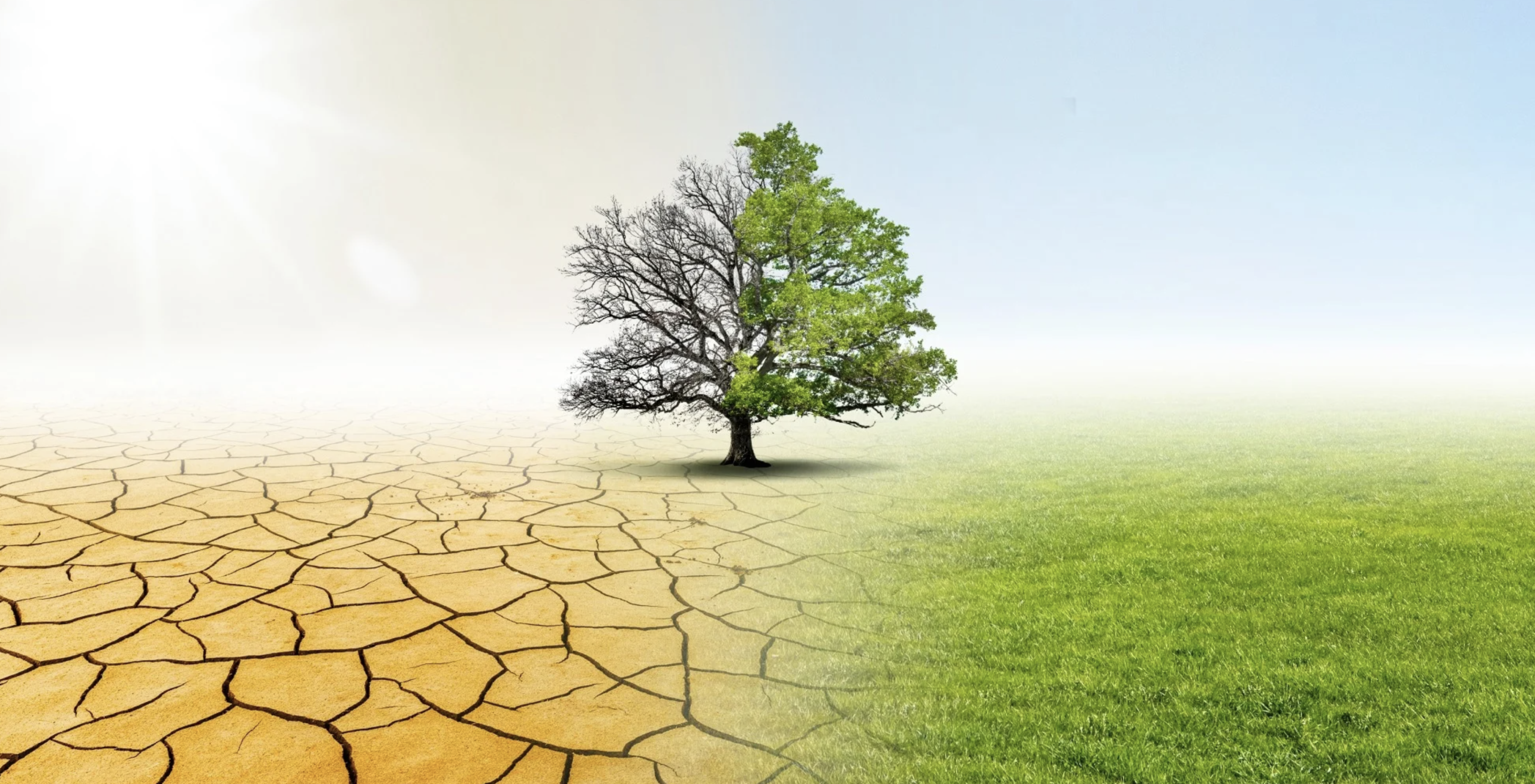
The World Wide Fund for Nature (WWF) is the world’s leading independent conservation organization. Established in 1961, it operates in nearly 100 countries, working to preserve biodiversity and reduce the human footprint on the environment.
Genesis and Institutional Framework
Historical Evolution
- Establishment: Founded on April 29, 1961, following the “Morges Manifesto.”
- Original Name: World Wildlife Fund (it retains this name in the USA and Canada).
- Headquarters: Gland, Switzerland.
- Legal Status: A charitable trust under Swiss law.
- Founding Figures: Julian Huxley, Max Nicholson, Peter Scott, and Guy Mountfort.
The Living Planet Report
WWF publishes the Living Planet Report biennially. It is one of the world’s most cited sources on biodiversity trends and ecosystem health. The report tracks the Living Planet Index (LPI), which monitors the abundance of thousands of populations of mammals, birds, fish, reptiles, and amphibians.
Key Conservation Priorities and Strategies
The Six Global Goals
WWF focuses its efforts on six primary areas to ensure a sustainable future:
- Wildlife: Protecting the world’s most iconic and endangered species.
- Oceans: Promoting sustainable fisheries and protecting marine habitats.
- Forests: Halting deforestation and restoring degraded forest landscapes.
- Freshwater: Ensuring water security for people and nature.
- Food: Transitioning to sustainable food systems that preserve biodiversity.
- Climate: Achieving a net-zero, climate-resilient future.
Cross-Cutting Drivers
To achieve these goals, WWF addresses three “drivers” that influence environmental degradation:
- Finance: Redirecting financial flows away from harmful activities.
- Governance: Influencing policy-making and environmental law.
- Markets: Engaging with the private sector to reduce the ecological footprint of commodities.
Notable Initiatives and Campaigns
| Initiative | Description | Significance |
| Earth Hour | A global grassroots movement where individuals and businesses switch off non-essential lights for one hour. | Held annually on the last Saturday of March to symbolize commitment to the planet. |
| TX2 Goal | An ambitious global goal to double the number of wild tigers by 2022. | Led by WWF and 13 tiger-range countries (Global Tiger Recovery Program). |
| Debt-for-Nature Swaps | Financial transactions where a portion of a developing nation’s foreign debt is forgiven in exchange for local investments in conservation. | Pioneered by WWF in the 1980s. |
| The Global 200 | A classification system identifying the world’s most biologically outstanding terrestrial, freshwater, and marine ecoregions. | Serves as a blueprint for conservation priorities. |
WWF in the Indian Context
Establishment and Focus
WWF-India was established as a Charitable Public Trust in 1969. While initially focused on wildlife protection (notably tigers), it has expanded to address climate change, energy, and environmental education.
Major Projects in India
- Project Tiger: WWF provided significant support during the initial years of Project Tiger (launched in 1973).
- Indian Rhino Vision 2020: A partnership with the Assam Forest Department and International Rhino Foundation to increase the rhino population in Assam.
- Snow Leopard Conservation: Active in the Himalayan landscapes (Project Snow Leopard).
- Ganges River Dolphin Conservation: Working with local communities to reduce pollution and bycatch in the Ganga and Brahmaputra river systems.
Global Partnerships and Alliances
Collaboration with International Bodies
- UNEP: WWF works closely with the United Nations Environment Programme on sustainable development goals.
- IUCN: WWF is a member of the International Union for Conservation of Nature and often collaborates on the Red List of Threatened Species.
- TRAFFIC: A joint program between WWF and IUCN, TRAFFIC is the leading non-governmental organization working globally on trade in wild animals and plants in the context of both biodiversity conservation and sustainable development.
Essential Trivia for UPSC Prelims
- The Logo: The famous Giant Panda logo was inspired by “Chi-Chi,” a panda that arrived at the London Zoo in 1961. It was chosen to overcome language barriers and minimize printing costs (black and white).
- Funding: WWF is almost entirely funded by voluntary contributions from individuals and organizations.
- Marine Stewardship Council (MSC): WWF co-founded the MSC to address overfishing by setting standards for sustainable fishing.
- Healthy Rivers, Healthy People: A program focusing on the management of free-flowing rivers, crucial for India’s water security.
Critical Evaluation: Challenges and Criticisms
Despite its successes, WWF has faced scrutiny regarding its partnerships with large corporations (often termed “greenwashing”) and allegations of human rights abuses in some of its protected areas involving indigenous communities. In response, WWF has implemented more rigorous Social and Environmental Safeguards (ESS) to ensure conservation does not marginalize local populations.
Last Modified: April 15, 2026