
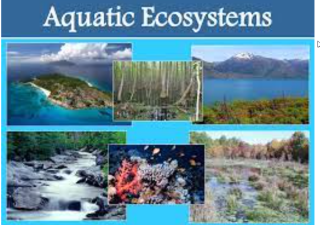
Aquatic ecosystems encompass a vast array of environments, ranging from freshwater lakes and rivers to expansive marine habitats. These ecosystems play a crucial role in maintaining the planet’s biodiversity and supporting life.
Freshwater Ecosystems
Definition and Types
Freshwater ecosystems are characterized by low salinity levels, typically less than 0.5 ppt (parts per thousand). These environments can be classified into various types, including lakes, rivers, ponds, wetlands, and streams.
Key Features
- Biotic Diversity: Freshwater ecosystems house a diverse range of species, from microscopic algae to fish, amphibians, and waterfowl. For example, the Amazon River basin boasts an incredible variety of aquatic life, including piranhas, catfish, and the iconic Amazon river dolphin.
- Importance of Wetlands: Wetlands, a critical component of freshwater ecosystems, serve as breeding grounds for numerous species and play a vital role in flood control and water purification. The Florida Everglades, the largest tropical wetland in the United States, is home to unique flora and fauna, such as alligators and wading birds.
Challenges
- Pollution: Human activities, including industrial discharge and agricultural runoff, contribute to water pollution in freshwater ecosystems. This pollution disrupts the delicate balance of these environments, affecting both aquatic life and human communities.
- Habitat Destruction: Urbanization and infrastructure development often lead to the destruction of freshwater habitats. Deforestation and the alteration of river courses can result in the loss of biodiversity and ecosystem services.
Marine Ecosystems
Definition and Types
Marine ecosystems encompass saltwater environments with high salinity levels, typically around 35 ppt. They include oceans, seas, coral reefs, and estuaries.
Key Features
- Oceanic Biodiversity: Oceans cover about 71% of the Earth’s surface and harbor an extraordinary diversity of life. Coral reefs, such as the Great Barrier Reef in Australia, are home to numerous marine species, including colorful coral polyps, fish, and sharks.
- Phytoplankton Importance: Phytoplankton, microscopic photosynthetic organisms, are the foundation of marine food webs. They produce oxygen and serve as a primary food source for many marine organisms. The Southern Ocean surrounding Antarctica is a prime example of an ecosystem where phytoplankton plays a crucial role in supporting marine life.
Challenges
- Climate Change: Rising sea temperatures, ocean acidification, and changes in currents due to climate change pose significant threats to marine ecosystems. Coral bleaching events, driven by increased sea temperatures, have devastating effects on coral reefs worldwide.
- Overfishing: Unsustainable fishing practices, including overfishing and destructive fishing methods, deplete marine resources and disrupt the balance of marine ecosystems. This threatens the livelihoods of coastal communities and the global seafood supply.
Key Data Table
| Parameter | Freshwater Ecosystems | Marine Ecosystems |
| Salinity Level | <0.5 ppt | ~35 ppt |
| Biodiversity | Diverse | Extraordinary |
| Threats | Pollution, Habitat Loss | Climate Change, Overfishing |
| Notable Example | Amazon River Basin | Great Barrier Reef |
Aquatic ecosystems, whether freshwater or marine, are essential for the health of our planet. Preserving the biodiversity and functionality of these ecosystems is crucial for sustaining life, regulating climate, and supporting human societies.
Last Modified: February 23, 2024