
Ecosystem engineers play a crucial role in shaping and maintaining habitats, influencing the distribution and abundance of various species within an ecosystem. These remarkable organisms alter their environment physically or chemically, creating conditions that support the survival and growth of other species.
Defining Ecosystem Engineers
Ecosystem engineers are species that significantly modify their environment, creating structural changes that influence the availability of resources and affect the distribution of other organisms. These modifications can be physical, such as the construction of nests or burrows, or chemical, through the release of substances that alter soil or water composition.
Examples of Ecosystem Engineers
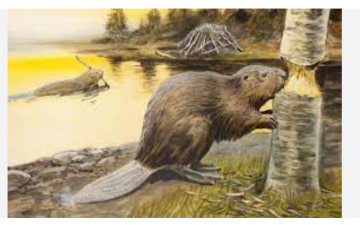
- Beavers (Castor canadensis): Building Hydrological Havens: Beavers are iconic ecosystem engineers known for their ability to create intricate dam systems. These dams alter water flow, creating wetlands that serve as habitats for numerous species. By slowing down water movement, beavers contribute to increased sedimentation, nutrient retention, and the creation of diverse aquatic ecosystems.
- Coral Reefs: Architects of Underwater Biodiversity: Corals act as ecosystem engineers in marine environments. Coral reefs are intricate structures built by corals over time. These reefs provide habitats for countless marine species by offering shelter, breeding grounds, and a source of food. The diversity of life within coral reefs makes them one of the most vital ecosystems on Earth.
- Prairie Dogs: Subterranean Architects: Prairie dogs are rodents that dig extensive burrow systems in grasslands. These burrows alter the landscape, influencing vegetation composition and creating microhabitats for a variety of species. Their digging behavior enhances soil aeration and water infiltration, benefiting both plant and animal communities.
Impact on Biodiversity
Ecosystem engineers contribute significantly to biodiversity by creating and maintaining habitats that support a wide range of species. The structures built by these organisms often serve as nurseries, hiding places, or feeding grounds for other animals. Additionally, the modifications made by ecosystem engineers can enhance nutrient cycling, promoting the health of the entire ecosystem.
Challenges and Threats
While ecosystem engineers are essential for maintaining biodiversity, some human activities pose threats to these crucial species. For example, deforestation, urbanization, and pollution can disrupt the habitats created by beavers, coral reefs, and prairie dogs. Conservation efforts are vital to ensuring the survival of these ecosystem engineers and the ecosystems they shape.
Key Data: Ecosystem Engineers and their Impact
| Ecosystem Engineer | Habitat Modification | Biodiversity Impact |
| Beavers | Dam construction alters water flow, creating wetlands | Increased biodiversity in aquatic and riparian ecosystems |
| Coral Reefs | Construction of reefs provides habitats for marine life | Support for diverse marine species and ecosystems |
| Prairie Dogs | Extensive burrow systems influence vegetation | Creation of microhabitats, benefiting plant and animal communities |
Conservation Implications
Recognizing the importance of ecosystem engineers is crucial for effective conservation. Conservation efforts should focus on preserving the habitats and ecological processes that these species support. Establishing protected areas, regulating human activities in sensitive ecosystems, and promoting sustainable resource management are essential steps to ensure the continued functioning of ecosystems shaped by these engineers.
Ecosystem engineers are architects of biodiversity, shaping habitats that support a myriad of species. From the aquatic realms sculpted by beavers to the vibrant underwater cities crafted by corals, these organisms play a fundamental role in maintaining the delicate balance of ecosystems.
Last Modified: February 23, 2024