
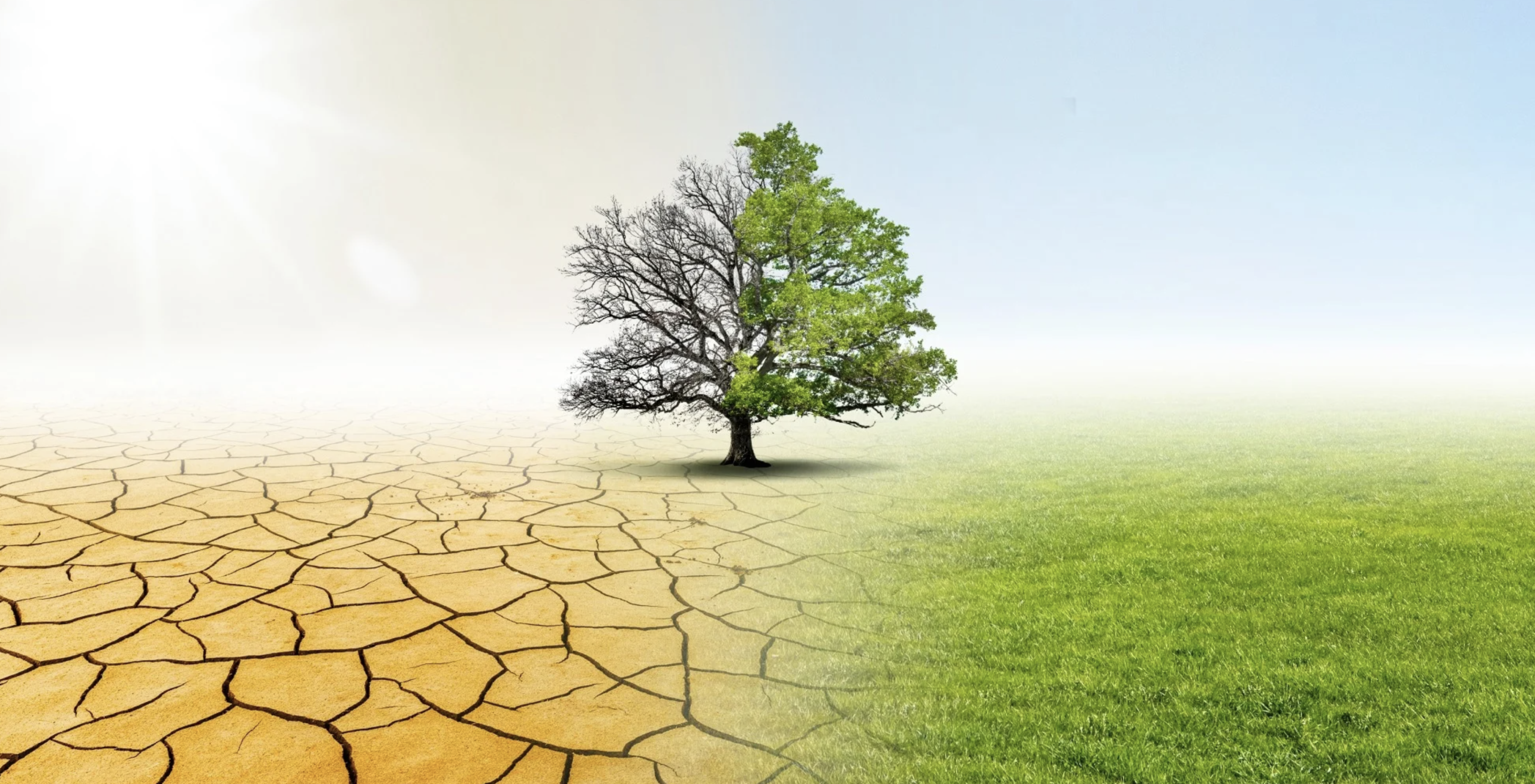
Biodiversity, the variety of life on Earth, is crucial for maintaining ecological balance and sustaining life. However, the rise of invasive species poses a significant threat to biodiversity.
The Impact of Invasive Species on Biodiversity
- Outcompeting Native Species: One of the primary ways invasive species affect biodiversity is by outcompeting native species for resources such as food, water, and habitat. This competition often leads to the decline or extinction of native species, upsetting the delicate balance that ecosystems depend on.
- Altering Ecosystem Dynamics: Invasive species can also alter the physical and chemical properties of ecosystems, disrupting the natural processes that support biodiversity. For example, invasive plants may change soil composition or nutrient cycling, negatively affecting the growth of native vegetation and, consequently, the organisms that depend on them.
Examples of Invasive Species Impacting Biodiversity
- Zebra Mussels (Dreissena polymorpha): Native to the Caspian and Black Seas, zebra mussels have become a notorious invasive species in North America’s freshwater ecosystems. They multiply rapidly and attach to surfaces such as boat hulls and water intake pipes, outcompeting native mollusks and disrupting the food chain. This has led to declines in native mussel species, impacting fish and other aquatic organisms that rely on them for food.
- Cane Toads (Rhinella marina): Originally introduced to control agricultural pests in Australia, cane toads have become a significant threat to native wildlife. Their toxic skin secretions pose a danger to predators that attempt to prey on them, leading to declines in populations of native predators like snakes and lizards.
Key Data
To illustrate the scale of the invasive species problem, consider the following key data:
| Parameter | Data |
| Economic Impact | Invasive species cost the global economy billions of dollars annually in control measures and damage to agriculture and infrastructure. (Source: Convention on Biological Diversity) |
| Extinction Risk | Invasive species are a leading cause of animal extinctions, contributing to 40% of the species listed as threatened or endangered. (Source: International Union for Conservation of Nature) |
| Global Spread | Invasive species have spread to virtually every corner of the Earth, with trade and transportation facilitating their rapid dissemination. (Source: Global Invasive Species Database) |
Management Strategies
Effective management strategies are essential to mitigate the impact of invasive species on biodiversity. Some key approaches include:
- Early Detection and Rapid Response: Swift identification and immediate action to control invasive species can prevent their establishment and minimize their impact.
- International Collaboration: Since invasive species often cross borders, international cooperation is crucial for addressing the global nature of the issue. Shared knowledge, resources, and coordinated efforts can enhance control and prevention measures.
- Restoration of Native Habitats: Rehabilitating ecosystems by restoring native vegetation can help mitigate the impact of invasive species by providing a competitive advantage to native flora and fauna.
Invasive species pose a significant and growing threat to biodiversity, with far-reaching ecological, economic, and social consequences. Recognizing the importance of addressing this issue through effective management strategies is paramount for safeguarding the delicate balance of ecosystems worldwide.
Last Modified: February 23, 2024