
Ecosystem services, the various benefits that humans derive from nature, play a crucial role in sustaining life on Earth. These services, provided by healthy and diverse ecosystems, contribute to human well-being in numerous ways.
Types of Ecosystem Services
Provisioning Services
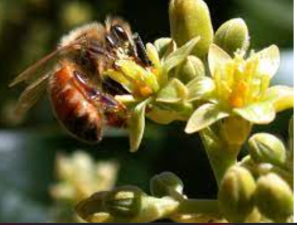
- Food Production: Ecosystems, such as forests, grasslands, and oceans, provide essential resources for food production. For example, pollinators in ecosystems contribute to the pollination of crops, ensuring abundant and diverse food sources for humans.
- Water Supply: Wetlands and watersheds act as natural filtration systems, supplying clean water for human consumption. Forests, through their role in regulating precipitation and runoff, also play a crucial role in maintaining a steady water supply.
Regulating Services
- Climate Regulation: Forests and oceans act as carbon sinks, mitigating climate change by absorbing and storing carbon dioxide. Additionally, vegetation plays a vital role in regulating temperature through processes like transpiration and evaporation.
- Natural Disaster Mitigation: Coastal ecosystems, such as mangroves and coral reefs, act as natural barriers, reducing the impact of storms and tsunamis. Wetlands absorb excess water during floods, preventing downstream flooding.
Cultural Services
- Recreation and Tourism: Ecosystems, such as national parks and scenic landscapes, provide recreational opportunities for humans. Tourism related to nature contributes significantly to economies while fostering an appreciation for the environment.
- Aesthetic and Spiritual Values: Biodiverse ecosystems contribute to the cultural and spiritual well-being of communities. Nature’s beauty and diversity inspire art, literature, and various cultural practices.
Supporting Services
- Biodiversity Maintenance: Ecosystems maintain a diverse array of species, contributing to genetic diversity, which is crucial for the adaptation and resilience of species to changing environmental conditions.
- Soil Formation and Fertility: Ecosystems, especially forests and grasslands, play a key role in soil formation and maintenance. Healthy soils support agriculture and enhance water retention.
Key Examples of Ecosystem Services
Amazon Rainforest
- Provisioning Service: The Amazon Rainforest is a vital source of pharmaceuticals, with many medicinal plants found in its rich biodiversity.
- Regulating Service: The rainforest acts as a major carbon sink, absorbing large amounts of carbon dioxide and regulating global climate patterns.
Wetlands
- Regulating Service: Wetlands, such as the Everglades in Florida, act as natural water filters, improving water quality and providing habitat for diverse species.
- Supporting Service: Wetlands contribute to the maintenance of biodiversity, serving as nurseries for fish and providing habitats for migratory birds.
Key Data Table
| Ecosystem Service | Importance to Humans | Threats and Conservation Efforts |
| Food Production | Ensures a stable and diverse food supply | Agricultural intensification, deforestation, and climate change |
| Water Supply | Provides clean water for human use | Pollution, over-extraction of water, and habitat destruction |
| Climate Regulation | Mitigates climate change impacts | Deforestation, greenhouse gas emissions, and land-use changes |
| Natural Disaster Mitigation | Reduces the impact of disasters | Destruction of coastal ecosystems, urbanization, and infrastructure |
| Recreation and Tourism | Contributes to economies and well-being | Over-tourism, habitat degradation, and inadequate conservation |
Ecosystem services are essential for human survival and well-being. Recognizing the importance of these services and adopting sustainable practices are crucial steps toward ensuring a harmonious coexistence between humans and the natural world.
Last Modified: February 23, 2024