
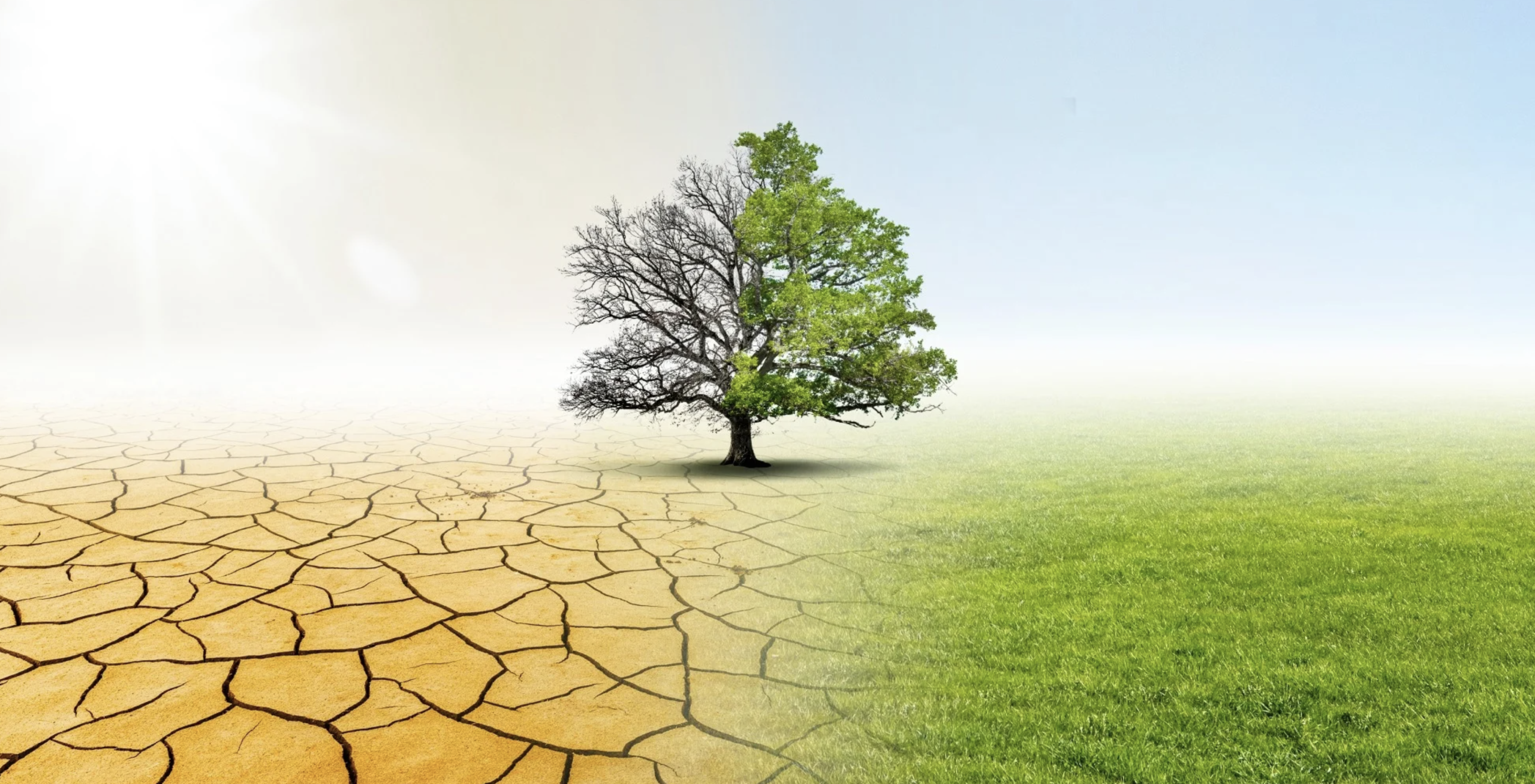

Environmental science, as a field of study, transcends traditional disciplinary boundaries to address complex issues surrounding the environment.
Intersection of Biology and Ecology
One of the foundational pillars of environmental science lies in the intersection of biology and ecology. Biologists and ecologists collaborate to understand the intricate relationships between living organisms and their environment. For instance, studying the effects of climate change on biodiversity requires knowledge of both biological processes and ecological systems.
Chemistry’s Role in Environmental Chemistry
Environmental chemistry plays a pivotal role in assessing the impact of pollutants on ecosystems. The field involves the study of the chemical processes that occur in the environment, including the behavior of pollutants, their transport, and transformation. An example is the study of how industrial pollutants affect water quality and the chemical processes involved in their breakdown.
Geology and Earth Science in Environmental Geoscience
Environmental geoscience combines principles of geology and earth science to analyze the Earth’s structure, composition, and processes. Geologists study soil composition, rock formations, and geological features to understand how human activities can affect the Earth’s stability. This interdisciplinary approach is crucial in predicting and mitigating natural disasters such as landslides and earthquakes.
Physics and Climate Science
Climate science, a sub-discipline of environmental science, draws heavily from physics. Physicists contribute to understanding climate patterns, atmospheric dynamics, and the impacts of human activities on the Earth’s climate. Research on the greenhouse effect, for instance, involves the application of physics principles to assess how certain gases trap heat in the atmosphere.
Integration of Sociology and Environmental Sociology
Environmental sociology explores the relationship between society and the environment. This interdisciplinary field involves collaboration between sociologists and environmental scientists to understand how human societies perceive and interact with the environment. Research on the social dimensions of climate change, environmental justice, and sustainable development exemplifies the interdisciplinary nature of environmental sociology.
Economics and Environmental Economics
Environmental economics assesses the economic impact of environmental policies and practices. Economists collaborate with environmental scientists to evaluate the cost and benefits of conservation efforts, pollution control, and sustainable resource management. For instance, the valuation of ecosystem services, such as water purification and pollination, requires economic analyses to inform environmental decision-making.
Key Data in a Table
Let’s present some key data in a table to highlight the interdisciplinary nature of environmental science:
| Disciplinary Intersection | Example Contribution |
| Biology and Ecology | Study of climate change impact on biodiversity |
| Chemistry | Assessment of water pollution and chemical processes |
| Geology and Earth Science | Analysis of soil composition and geological stability |
| Physics | Understanding the greenhouse effect and climate dynamics |
| Sociology | Exploration of social dimensions of environmental issues |
| Economics | Evaluation of economic impact of environmental policies |
The interdisciplinary nature of environmental science is fundamental to addressing the multifaceted challenges our planet faces. The collaboration between biologists, chemists, geologists, physicists, sociologists, and economists creates a holistic approach that enriches our understanding of environmental issues.
Last Modified: February 22, 2024