

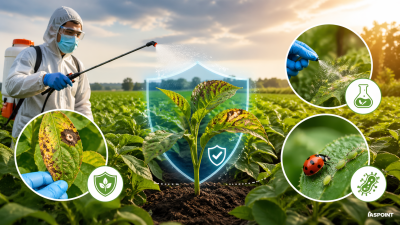
Effective disease control in agriculture involves a combination of preventive, curative, and biological strategies.
Physical and Cultural Control Measures
These are the first line of defense, focusing on altering the environment to make it less favorable for pathogens or physically removing the source of infection.
- Crop Rotation: Breaking the life cycle of soil-borne pathogens by planting non-host crops in successive seasons. For example, rotating cereals with legumes to reduce cereal-specific fungal loads.
- Sanitation: Removing and burning infected plant debris (stubbles) to eliminate “overwintering” sites for fungi and bacteria.
- Solarization: Covering moist soil with transparent polyethylene sheets during hot summer months to raise soil temperature, thereby killing soil-borne pathogens like nematodes and certain fungi.
- Roguing: The manual removal and destruction of infected plants from a field to prevent the secondary spread of diseases, especially viral infections like Mosaic.
Chemical Control Measures
Chemical measures involve the application of toxic substances to kill or inhibit the growth of pathogens.
Fungicides
- Contact Fungicides: Remain on the surface of the plant and kill spores upon contact (e.g., Sulfur, Copper-based compounds).
- Systemic Fungicides: Absorbed by the plant and translocated through the vascular system to protect new growth (e.g., Carbendazim, Metalaxyl).
- Bordeaux Mixture: A landmark discovery in plant pathology consisting of Copper Sulfate (CuSO4) and Calcium Hydroxide (Ca(OH)2). It is highly effective against Downy Mildew.
Bactericides and Viricides
- Antibiotics: Streptomycin and Tetracycline are used to control bacterial diseases like Citrus Canker.
- Viricides: Direct chemical control of viruses is difficult; therefore, chemicals are primarily used to kill the vectors (Aphids, Whiteflies) using insecticides like Malathion or Dimethoate.
Biological Control Measures
Biological control utilizes natural enemies or antagonistic microorganisms to suppress pathogen populations. This is a core component of sustainable farming.
- Antagonistic Microorganisms: * Trichoderma: A soil-dwelling fungus used as a bio-fungicide to control root rot and wilt diseases.
- Pseudomonas fluorescens: A bacterium that colonizes plant roots and produces antibiotics that suppress fungal pathogens.
- Bio-pesticides: Derivatives from plants like Neem (Azadirachta indica). Neem oil and seed kernel extracts have potent antifungal and insecticidal properties.
Integrated Pest Management (IPM)
IPM is an ecosystem-based strategy that focuses on long-term prevention of pests and diseases through a combination of techniques.
- Threshold Level: Chemical pesticides are used only when the disease reaches the Economic Threshold Level (ETL), minimizing environmental damage.
- Host Resistance: Planting certified disease-resistant varieties (e.g., Pusa Basmati 1121 for specific resistances).
- Quarantine: Regulatory measures (e.g., the Destructive Insects and Pests Act, 1914) to prevent the entry of exotic pathogens into a country or region.
Table: Common Control Measures for Specific Disease Types
| Disease Category | Primary Control Measure | Specific Tool/Method |
| Soil-borne (Wilt) | Biological & Physical | Trichoderma application / Soil Solarization |
| Air-borne (Rust) | Chemical | Sulfur dusting / Systemic Fungicides |
| Seed-borne (Smut) | Physical & Chemical | Hot water treatment / Seed dressing with Vitavax |
| Viral (Mosaic) | Vector Management | Yellow Sticky Traps / Insecticides / RNAi |
| Bacterial (Blight) | Chemical | Streptomycin sprays / Copper Oxychloride |
UPSC Prelims Trivia: Key Regulatory and Scientific Facts
- Plant Quarantine: In India, the Directorate of Plant Protection, Quarantine & Storage (DPPQS) is the apex body for preventing the entry of invasive pests.
- Seed Dressing: A process of coating seeds with fungicides before sowing to protect them from “Damping-off” (sudden death of seedlings).
- Biosecurity: Refers to the set of measures designed to protect the environment and agriculture from biological threats.
- Copper Toxicity: Excessive use of copper-based fungicides can lead to soil accumulation, affecting soil microflora and earthworms.