

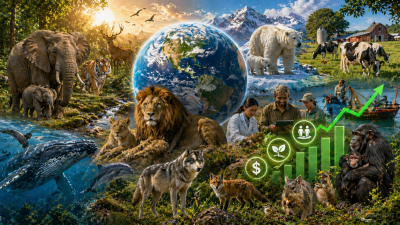
Mammals play a pivotal role in maintaining the equilibrium of the biosphere and contributing to the global economy.
Ecological Importance of Mammals
Seed Dispersal and Pollination
- Chiropterophily (Bat Pollination): Many species of bats are primary pollinators for night-blooming plants, including agave, durian, and wild bananas.
- Seed Dispersers: Frugivorous mammals like primates, civets, and elephants consume fruits and excrete seeds in different locations, often with “fertilizer” (dung), which is essential for forest regeneration.
Nutrient Cycling and Soil Engineering
- Bioturbation: Burrowing mammals (moles, rodents, and rabbits) aerate the soil, improving water infiltration and nutrient mixing.
- Large Herbivores: Mammals like elephants and gaur create clearings in forests, allowing sunlight to reach the forest floor and promoting the growth of diverse plant species. Their dung provides a concentrated source of Nitrogen and Phosphorus.
Regulation of Ecosystems (Trophic Cascades)
- Keystone Species: Certain mammals have a disproportionately large effect on their environment. For example, Sea Otters control sea urchin populations to protect kelp forests.
- Apex Predators: Tigers, lions, and wolves regulate the population of herbivores, preventing overgrazing and maintaining the health of the vegetation.
Economic Importance of Mammals
Agriculture and Allied Sectors
- Livestock and Draught Power: Cattle, buffaloes, horses, and camels are used for ploughing, transportation, and lifting water.
- Dairy and Meat Industry: Mammals are the sole source of milk (cows, goats, camels). The meat industry (porcine, bovine, caprine) contributes significantly to the Global and Indian GDP.
Industrial and Commercial Products
- Wool and Fiber: Sheep (Merino), Goats (Pashmina), and Alpacas provide high-quality wool for the textile industry.
- Leather and Hides: The skins of cattle and buffaloes are processed into leather for footwear and upholstery.
- Pharmaceuticals and Research: Mammals like mice, rats, and primates are used as “model organisms” in biomedical research for vaccine development and testing due to their physiological similarity to humans.
Tourism and Heritage
- Wildlife Tourism: Protected areas (National Parks/Wildlife Sanctuaries) centered around charismatic megafauna like the Royal Bengal Tiger or the One-horned Rhino generate significant revenue and employment.
Conservation Status and Threats
The ecological and economic benefits are threatened by anthropogenic factors, necessitating global and national conservation frameworks.
| Factor | Description | Impact |
| Zoonotic Diseases | Diseases jumping from mammals to humans. | Examples: Ebola (bats), COVID-19, Rabies. |
| Human-Wildlife Conflict | Encroachment into habitats. | Loss of crops and lives; retaliatory killing of elephants and tigers. |
| Poaching | Illegal trade of animal parts. | Demand for Ivory (Elephants), Rhino horn, and Tiger bones. |
Specific Contributions of Mammals in India (Trivia)
- Project Tiger (1973): Launched to ensure a viable population of the national animal, serving as an “umbrella species” for entire ecosystems.
- Vulture Crisis Link: The decline of vultures led to an increase in feral dog populations (mammals), subsequently increasing the incidence of Rabies in India.
- Whale Shark: Although a fish, it is often confused in conservation contexts with the Blue Whale (Mammal); the Blue Whale is protected under Schedule I of the Wildlife (Protection) Act, 1972.
Summary of Biological Services
- Scavenging: Mammals like Hyenas and Jackals help in cleaning the environment by consuming carrion, preventing the spread of diseases.
- Biological Control: Insectivorous bats consume massive quantities of agricultural pests, reducing the need for chemical pesticides.