

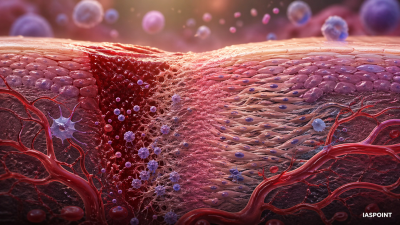
Tissue repair is the biological process by which the body restores the continuity and function of tissues after injury. It is a complex sequence of events involving cell signaling, migration, and division.
Mechanisms of Tissue Restoration
There are two primary ways the body handles tissue damage:
- Regeneration: The replacement of damaged tissue with the same type of functional cells. This restores the original architecture and function perfectly.
- Fibrosis (Repair): The replacement of damaged tissue with fibrous connective tissue (scar tissue). This restores structural integrity but may result in the loss of specialized function.
Classification of Tissues by Regenerative Capacity
Italian pathologist Giulio Bizzozero classified tissues into three categories based on their ability to regenerate:
| Category | Description | Examples |
| Labile Tissues | Cells continue to divide throughout life to replace lost cells. | Skin (Epidermis), Bone Marrow, Alimentary Canal lining. |
| Stable Tissues | Cells stop dividing after growth but retain the ability to divide in response to injury. | Liver, Kidney, Pancreas, Vascular Endothelium. |
| Permanent Tissues | Cells have lost the ability to divide in postnatal life. Repair occurs only through fibrosis. | Nervous Tissue (Neurons), Cardiac Muscle, Skeletal Muscle. |
The Process of Wound Healing
Wound healing generally follows a four-stage physiological sequence:
1. Hemostasis (Clotting)
Immediate response to injury. Platelets aggregate at the site to form a fibrin clot, which acts as a temporary “plug” to prevent blood loss and provides a scaffold for migrating cells.
2. Inflammation
Occurs within hours. White blood cells (Neutrophils and Macrophages) migrate to the site to destroy invading pathogens and clear cellular debris (phagocytosis).
3. Proliferation (Tissue Formation)
New tissue, called Granulation Tissue, begins to form.
- Angiogenesis: The growth of new blood vessels to supply oxygen to the healing area.
- Fibroplasia: Fibroblasts produce collagen to provide strength.
- Epithelialization: Epithelial cells crawl across the wound surface to cover it.
4. Remodeling (Maturation)
The final and longest phase (months to years). The temporary collagen is replaced by stronger types, and the tissue regains tensile strength. If the damage was extensive, a scar remains.
Factors Affecting Tissue Repair
- Nutrition: Adequate Vitamin C is essential for collagen synthesis; Vitamin K is vital for blood clotting; Proteins provide the building blocks for new cells.
- Blood Supply: Poor circulation (e.g., in diabetes) delays healing by starving the tissue of oxygen and nutrients.
- Age: Regenerative capacity generally decreases with age due to slower metabolic rates and reduced stem cell activity.
- Infection: The presence of pathogens prolongs the inflammatory phase and prevents the proliferative phase from starting.
Specialized Regeneration: The Case of the Liver
The human liver is unique among internal organs for its high regenerative capacity. Even if 70% of the liver is surgically removed, the remaining “stable” cells (hepatocytes) can re-enter the cell cycle to restore the organ to its original mass within weeks. This is a classic example of compensatory hyperplasia.
Facts and Trivia for UPSC Prelims
- Stem Cells: The primary drivers of regeneration. Labile tissues possess “Adult Stem Cells” (e.g., Hematopoietic stem cells in bone marrow) that provide a constant supply of new cells.
- Scar Tissue: Composed mainly of collagen; it lacks the elasticity, hair follicles, and sweat glands of normal skin.
- Keloid: A type of overgrown scar tissue that rises above the skin level, caused by excessive collagen production during the remodeling phase.
- Nervous Tissue Limitation: While peripheral nerves can sometimes regrow if the cell body (cyton) is intact, neurons in the Central Nervous System (Brain/Spinal Cord) have almost zero regenerative capacity, making CNS injuries permanent.
- Vitamin D: While known for bone health, it also plays a role in regulating the inflammatory response during tissue repair.