

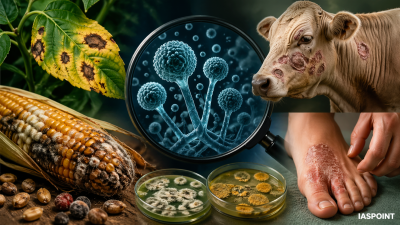
Fungal diseases, also known as mycoses, affect plants, animals, and humans. In the UPSC Prelims context, these are categorized based on the host they infect and the specific economic or health impact they carry. Fungi cause damage either through direct tissue invasion or by producing toxic metabolites known as mycotoxins.
1. Fungal Diseases in Humans
Human fungal infections are classified by the depth of tissue penetration.
Superficial and Cutaneous Mycoses
These affect the skin, hair, and nails. They are highly contagious and usually spread through direct contact or contaminated surfaces.
- Ringworm (Tinea): Caused by fungi belonging to the genera Trichophyton, Microsporum, and Epidermophyton. It characterized by dry, scaly lesions on the skin, nails, and scalp.
- Athlete’s Foot (Tinea pedis): A specific form of ringworm affecting the skin between the toes.
- Candidiasis (Thrush): Caused by Candida albicans. It affects mucosal surfaces like the mouth and vaginal tract.
Systemic and Opportunistic Mycoses
These are more severe, often affecting internal organs, and typically occur in individuals with weakened immune systems.
- Aspergillosis: Caused by Aspergillus species. It primarily affects the respiratory system.
- Mucormycosis (Black Fungus): Caused by mucormycetes. It gained significant attention during the COVID-19 pandemic as an opportunistic infection affecting the sinuses, brain, and lungs.
- Cryptococcosis: A fungal infection of the lungs that can spread to the brain, causing meningitis.
2. Fungal Diseases in Plants
Fungal pathogens are responsible for approximately 80% of all plant diseases, leading to massive agricultural and economic losses.
| Disease Name | Causative Fungus | Impact/Symptoms |
| Late Blight of Potato | Phytophthora infestans | Caused the Great Irish Famine (1845); water-soaked spots on leaves. |
| Wheat Rust | Puccinia graminis | Red or orange pustules on stalks and leaves; reduces grain yield. |
| Red Rot of Sugarcane | Colletotrichum falcatum | Reddening of the internal pith; common in Indian sugarcane belts. |
| Ergot of Rye | Claviceps purpurea | Replaces grain with toxic alkaloids; causes Ergotism in humans if consumed. |
| Loose Smut of Wheat | Ustilago nuda | Masses of black spores replace the grain in the ear. |
| Tikka Disease of Groundnut | Cercospora personata | Dark spots on leaves leading to premature defoliation. |
| Blast of Rice | Magnaporthe oryzae | One of the most devastating diseases affecting global rice production. |
3. Mycotoxins and Food Safety
Fungi produce secondary metabolites that are toxic to humans and livestock when ingested.
- Aflatoxins: Produced by Aspergillus flavus and Aspergillus parasiticus. Commonly found in stored groundnuts, maize, and tree nuts. They are potent carcinogens (liver cancer).
- Ergot Alkaloids: Produced by Claviceps. Consumption of contaminated rye bread leads to Ergotism, characterized by gangrene and hallucinations (St. Anthony’s Fire).
- Ochratoxins: Produced by Aspergillus and Penicillium; these can cause kidney damage and are often found in coffee and dried fruits.
4. Control and Treatment Measures
- Antifungals: Drugs like Fluconazole, Amphotericin B, and Griseofulvin are used to treat human infections.
- Fungicides: Chemical agents like Bordeaux mixture (Copper sulphate + Lime) are classic agricultural treatments to control plant fungi.
- Biological Control: Using antagonistic fungi like Trichoderma to suppress soil-borne plant pathogens.
UPSC Prelims Facts and Trivia
- The Irish Potato Famine: The total collapse of the potato crop in Ireland due to Phytophthora infestans led to the death of over 1 million people and massive migration to the USA.
- White Rust of Mustard: Caused by Albugo candida, an obligate parasite that creates white shiny pustules on the leaves of crucifers.
- Damping-off: A disease where seedlings collapse at the soil line, often caused by Pythium species.
- Aflatoxin Regulation: In India, the FSSAI sets strict permissible limits for Aflatoxins in food products to prevent long-term health risks.
- Ringworm Transmission: Fungi causing ringworm thrive in heat and moisture (skin folds), making them more prevalent in tropical climates like India.