

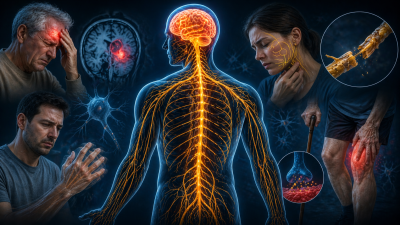
Neurological disorders are diseases of the central and peripheral nervous system, affecting the brain, spinal cord, cranial nerves, peripheral nerves, nerve roots, autonomic nervous system, and neuromuscular junctions.
Classification of Neurological Disorders
1. Degenerative Disorders
These involve the progressive loss of structure or function of neurons, including the death of neurons.
- Alzheimer’s Disease: Characterized by the accumulation of amyloid-beta plaques and tau tangles in the brain. It leads to the degeneration of the cerebral cortex and hippocampus, resulting in severe memory loss and cognitive decline.
- Parkinson’s Disease: Caused by the degeneration of dopamine-producing neurons in the substantia nigra (part of the midbrain). Symptoms include tremors, muscle rigidity, and difficulty with walking and balance.
2. Autoimmune and Demyelinating Disorders
These occur when the immune system attacks the nervous system’s own tissues, specifically the myelin sheath.
- Multiple Sclerosis (MS): The immune system attacks the myelin sheath (insulation) of nerve fibers in the brain and spinal cord. This disrupts the communication between the brain and the rest of the body.
- Guillain-Barré Syndrome (GBS): A rapid-onset muscle weakness caused by the immune system damaging the peripheral nervous system, often triggered by an acute bacterial or viral infection.
3. Cerebrovascular Disorders
Disorders related to the blood supply to the nervous tissue.
- Stroke (Cerebrovascular Accident): Occurs when the blood supply to part of the brain is interrupted (Ischemic) or when a blood vessel bursts (Hemorrhagic). This prevents brain tissue from getting oxygen and nutrients, causing brain cells to die within minutes.
4. Electrical and Functional Disorders
Disorders resulting from abnormal electrical activity in the brain tissue.
- Epilepsy: A central nervous system disorder in which brain activity becomes abnormal, causing seizures or periods of unusual behavior, sensations, and sometimes loss of awareness.
- Migraine: A primary headache disorder characterized by recurrent headaches that are moderate to severe, often associated with the autonomic nervous system.
Key Neurological Terms for UPSC
| Term | Definition |
| Aphasia | Loss of ability to understand or express speech, caused by brain damage. |
| Encephalitis | Inflammation of the brain, often due to infection (e.g., Japanese Encephalitis). |
| Meningitis | Inflammation of the protective membranes (meninges) covering the brain and spinal cord. |
| Neuropathy | Damage or dysfunction of one or more nerves that typically causes numbness, tingling, or muscle weakness. |
| Dementia | An umbrella term for a decline in mental ability severe enough to interfere with daily life. |
Specific Pathogenic Neurological Diseases
- Poliomyelitis (Polio): An infectious viral disease that can strike at any age but affects mainly children under five. The virus invades the nervous system and can cause total paralysis in a matter of hours.
- Rabies: A deadly virus spread to people from the saliva of infected animals. It causes progressive and fatal inflammation of the brain and spinal cord (Encephalomyelitis).
- Creutzfeldt-Jakob Disease (CJD): A fatal degenerative brain disorder caused by prions (misfolded proteins).
Facts and Trivia for UPSC Prelims
- The “Blood-Brain Barrier” (BBB): Many neurological disorders are difficult to treat because the BBB prevents most medicinal drugs from reaching the nervous tissue.
- Neurotransmitters: Imbalances in specific chemicals are linked to disorders:
- Low Dopamine → Parkinson’s.
- Low Acetylcholine → Alzheimer’s.
- Low Serotonin → Depression.
- Brain Plasticity: Also known as neuroplasticity, it is the brain’s ability to “rewire” itself after injury, which is the basis for rehabilitation in stroke patients.
- Japanese Encephalitis (JE): A mosquito-borne viral infection; it is a significant public health issue in India, particularly in the Indo-Gangetic plain.
- Prion Diseases: Unlike bacteria or viruses, prions contain no nucleic acids (DNA/RNA) but can still cause infectious neurological decay.