

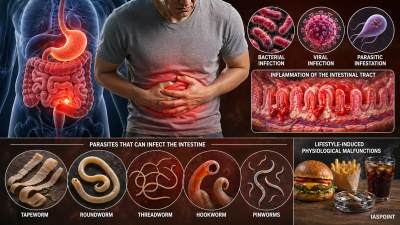
Disorders of the digestive system in humans can arise from bacterial or viral infections, parasitic infestations, or lifestyle-induced physiological malfunctions. Inflammation of the intestinal tract is the most common ailment, often caused by pathogens like bacteria, viruses, or parasites such as tapeworms, roundworms, threadworms, hookworms, and pinworms.
Common Clinical Disorders
Jaundice
Jaundice is characterized by the yellowing of the skin and eyes.
- Physiology: It occurs due to the accumulation of bile pigments (bilirubin) in the blood.
- Organ Affected: The liver is the primary organ affected.
- Causes: It can result from bile duct obstruction, liver cell damage, or excessive destruction of red blood cells.
Vomiting
Vomiting is the forceful expulsion of stomach contents through the mouth.
- Mechanism: It is a reflex action controlled by the vomit center in the medulla oblongata of the brain.
- Symptoms: Usually preceded by a feeling of nausea.
Diarrhea
Diarrhea is the abnormal frequency of bowel movement and increased liquidity of the fecal discharge.
- Impact: It significantly reduces the absorption of food and leads to dehydration.
- Causes: Infections, food poisoning, or reaction to certain medicines.
Constipation
In constipation, the feces are retained within the colon as the bowel movements occur irregularly.
- Cause: Insufficient intake of dietary fiber (roughage) and water, or poor muscle tone in the colon.
Indigestion
Indigestion is a condition where food is not properly digested, leading to a feeling of fullness or epigastric pain.
- Causes: Inadequate enzyme secretion, anxiety, food poisoning, overeating, and spicy food.
Nutritional Deficiency Disorders (PEM)
Protein-Energy Malnutrition (PEM) is a major health issue in developing countries, affecting infants and children.
| Feature | Kwashiorkor | Marasmus |
| Primary Deficiency | Protein deficiency (Energy/Calorie intake may be adequate). | Simultaneous deficiency of Proteins and Calories. |
| Age Group | Children more than one year in age. | Infants less than one year in age. |
| Physical Symptoms | Edema (swelling), “pot belly,” and thinning of limbs. | Extreme emaciation, thinning of limbs, skin becomes dry and wrinkled. |
| Growth | Growth and brain development are impaired. | Severe impairment of growth and replacement of tissue proteins. |
| Body Fat | Some fat is still left under the skin. | Complete disappearance of subcutaneous fat. |
Specific Physiological Malfunctions
Gallstones (Cholelithiasis)
- Description: Hardened deposits of digestive fluid (bile) that can form in the gallbladder.
- Composition: Usually consists of cholesterol or bilirubin.
- Impact: Can block bile ducts, causing severe pain and interfering with fat emulsification.
Appendicitis
- Description: Inflammation of the vermi-form appendix, a vestigial organ located at the junction of the small and large intestines (caecum).
- Risk: If it ruptures, it can cause peritonitis (inflammation of the abdominal lining).
Important Facts for UPSC Prelims
- Helicobacter pylori: A bacterium identified as the primary cause of Peptic Ulcers (sores in the lining of the stomach or duodenum). This discovery won the Nobel Prize in Medicine (2005).
- Celiac Disease: An immune reaction to eating gluten (a protein found in wheat, barley, and rye) that damages the lining of the small intestine and prevents nutrient absorption.
- GERD (Gastroesophageal Reflux Disease): A chronic condition where stomach acid flows back into the esophagus, irritating the lining.
- Dietary Fiber: Essential for preventing constipation; it adds bulk to the stool and facilitates peristalsis but is not digested by human enzymes.
- Vomiting Center Location: It is located in the Medulla, not the Cerebrum or Cerebellum.