

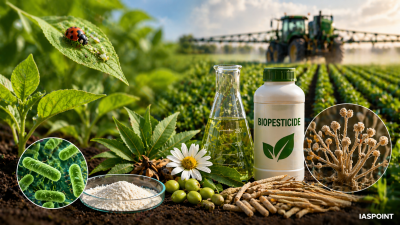
Biopesticides are certain types of pesticides derived from natural materials such as animals, plants, bacteria, and certain minerals.
Classification of Biopesticides
The Environmental Protection Agency (EPA) and global regulatory standards categorize biopesticides into three major groups based on their source and mechanism.
1. Microbial Pesticides
These consist of a microorganism (e.g., a bacterium, fungus, virus, or protozoan) as the active ingredient. They can control many different kinds of pests, although each separate active ingredient is relatively specific for its target pest(s).
- Bacterial Biopesticides: The most common is Bacillus thuringiensis (Bt). It produces a protein crystal (Cry protein) that is toxic to specific insect larvae (like caterpillars) when ingested.
- Fungal Biopesticides: Beauveria bassiana is widely used to control aphids, thrips, and whiteflies by infecting them through the cuticle.
- Viral Biopesticides: Baculoviruses are highly specific to certain insect species and do not harm non-target organisms or humans.
2. Plant-Incorporated Protectants (PIPs)
PIPs are pesticidal substances that plants produce from genetic material that has been added to the plant.
- Mechanism: Scientists take the gene for a specific pesticidal protein (like the Bt gene) and introduce it into the plant’s own genetic material. The plant then manufactures the substance that destroys the pest.
- Example: Bt Cotton and Bt Brinjal (Note: Only Bt Cotton is currently approved for commercial cultivation in India).
3. Biochemical Pesticides
These are naturally occurring substances that control pests by non-toxic mechanisms.
- Pheromones: Sex attractants used to lure pests into traps or to disrupt their mating patterns.
- Plant Extracts: Neem-based formulations (Azadirachtin) are the most significant in India. They act as antifeedants and growth regulators.
Key Biological Agents and Their Applications
| Agent Type | Specific Example | Target Pest / Application |
| Bacterium | Bacillus thuringiensis (Bt) | Lepidoptera (moths, butterflies), Coleopterans (beetles). |
| Fungus | Trichoderma harzianum | Soil-borne pathogens (bio-fungicide); promotes plant growth. |
| Fungus | Metarhizium anisopliae | Termites, locusts, and root weevils. |
| Virus | NPV (Nuclear Polyhedrosis Virus) | Helicoverpa armigera (Cotton bollworm). |
| Botanical | Azadirachtin (Neem) | Broad-spectrum; acts as a repellent and sterilant. |
| Predatory Insect | Ladybird Beetle | Aphids and scale insects (Natural Bio-control). |
Advantages and Limitations for Sustainable Agriculture
Benefits
- Inherent Less Toxicity: Generally pose fewer risks to human health and non-target wildlife compared to conventional pesticides.
- Specificity: Designed to affect only one specific pest or a few target organisms, preserving beneficial insects like bees and pollinators.
- Resistance Management: Useful in preventing pests from developing resistance to chemical pesticides when used in rotation.
- Zero Residue: Most biopesticides leave no harmful residues on food crops, making them ideal for organic farming and export-quality produce.
Challenges
- Slow Action: They usually take longer to kill or suppress a pest population compared to “knock-down” chemical sprays.
- Environmental Sensitivity: Highly susceptible to UV radiation, temperature fluctuations, and humidity, which can reduce efficacy.
- High Host Specificity: While an advantage, it means a farmer may need multiple products to handle a diverse pest outbreak.
Regulatory and Policy Framework in India
Central Insecticides Board and Registration Committee (CIBRC)
The CIBRC, under the Ministry of Agriculture & Farmers Welfare, is responsible for advising the Central and State Governments on technical matters and registering all pesticides, including biopesticides, under the Insecticides Act, 1968.
Government Initiatives
- Paramparagat Krishi Vikas Yojana (PKVY): Promotes organic farming and the use of bio-inputs, including biopesticides.
- National Mission on Sustainable Agriculture (NMSA): Focuses on enhancing agricultural productivity through biotechnological tools and eco-friendly pest management.
- Sub-Mission on Plant Protection and Plant Quarantine: Aims to minimize losses to yield from pests and diseases through IPM.
Technical Trivia for Prelims
The Cry Protein Mechanism
The Bacillus thuringiensis (Bt) toxin exists as an inactive protoxin. Once an insect ingests it, the alkaline pH of the insect’s gut solubilizes the crystals and converts the protoxin into an active toxin. This active toxin binds to the gut lining, creating pores that cause the insect to die. Humans are unaffected because our stomach environment is acidic.
Bio-herbicides
These are biopesticides used to manage weeds. The first bio-herbicide was “Devine,” derived from a fungus (Phytophthora palmivora) to control strangler vine in citrus groves.
Trichoderma
It is a genus of fungi that is present in all soils. It is the most prevalent culturable fungi and is widely used as a bio-fungicide for seed treatment and soil conditioning to suppress fungal pathogens like Pythium and Rhizoctonia.
Last Modified: May 7, 2026