

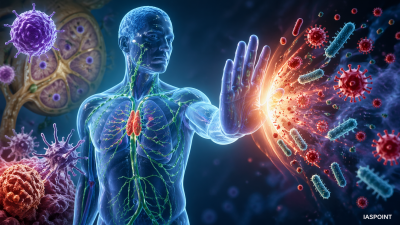
Immunity refers to the body’s ability to resist and defend itself against pathogenic microorganisms, foreign proteins, and abnormal cells (like cancer). In the context of human tissues, the immune system is a complex network involving specialized cells (Leukocytes), lymphoid tissues, and organs that work in unison to maintain biological integrity.
Classification of Immunity
Immunity is broadly classified into two categories: Innate (Non-specific) and Acquired (Specific).
1. Innate Immunity
Innate immunity is the first line of defense present from birth. It provides a rapid but non-specific response to pathogens.
- Physical Barriers: Skin (outermost epithelial layer) and mucous membranes of the respiratory and digestive tracts.
- Physiological Barriers: Acid in the stomach (HCl), lysozyme in tears and saliva, and body temperature (fever).
- Cellular Barriers: Phagocytic cells such as Neutrophils and Monocytes (which become Macrophages in tissues), and Natural Killer (NK) cells.
- Cytokine Barriers: Virus-infected cells secrete proteins called Interferons, which protect non-infected neighboring cells from further viral infection.
2. Acquired (Adaptive) Immunity
Acquired immunity is pathogen-specific and characterized by “memory.” When the body encounters a pathogen for the first time, it produces a “Primary Response.” Subsequent encounters trigger a highly intensified “Secondary (Anamnestic) Response.”
Components of Acquired Immunity
Acquired immunity is facilitated by two specialized types of lymphocytes derived from hematopoietic stem cells in the bone marrow.
B-Lymphocytes (Humoral Immunity)
- Mechanism: They produce an army of proteins called Antibodies into the blood and lymph to fight pathogens.
- Antibody Structure: Each antibody (Immunoglobulin) consists of four peptide chains: two light chains and two heavy chains (H2L2).
T-Lymphocytes (Cell-Mediated Immunity)
- Mechanism: T-cells do not secrete antibodies but help B-cells produce them. They also directly attack infected or cancerous cells.
- Importance in Transplants: Cell-mediated immunity is responsible for graft rejection when the body recognizes a transplanted organ as foreign.
Active and Passive Immunity
| Type | Definition | Example |
| Active Immunity | The host’s own body produces antibodies in response to an antigen (living or dead microbes). It is slow but long-lasting. | Natural infection or Vaccination. |
| Passive Immunity | Ready-made antibodies are directly given to the body. It provides immediate relief but is short-lived. | Colostrum (IgA in breast milk) or Anti-tetanus serum. |
Important Immunoglobulins (Antibodies)
- IgG: Most abundant; the only antibody that can cross the Placenta to provide immunity to the fetus.
- IgA: Found in secretions like colostrum, saliva, and tears; provides mucosal immunity.
- IgM: The largest antibody; usually the first to be produced in response to an infection.
- IgE: Involved in allergic reactions and defense against parasitic worms.
Lymphoid Organs: The Tissues of Immunity
Lymphoid organs are where lymphocytes originate, mature, and proliferate.
Primary Lymphoid Organs
Places where lymphocytes mature and become antigen-sensitive.
- Bone Marrow: The main lymphoid organ where all blood cells, including B and T lymphocytes, are produced. B-cells mature here.
- Thymus: A lobed organ located near the heart. It is large at birth but reduces in size with age. T-cells mature here.
Secondary Lymphoid Organs
Places where lymphocytes interact with antigens and proliferate into effector cells.
- Spleen: Acts as a filter for blood, trapping blood-borne microorganisms. It contains a large reservoir of erythrocytes.
- Lymph Nodes: Small solid structures that trap microorganisms or other antigens that get into the lymph and tissue fluid.
- MALT (Mucosal-Associated Lymphoid Tissue): Located within the lining of major tracts (respiratory, digestive, urogenital). It constitutes about 50% of the lymphoid tissue in the human body.
Important Facts for UPSC Prelims
- Autoimmunity: A condition where the body’s immune system loses the ability to distinguish between “self” and “non-self” cells and starts attacking its own tissues (e.g., Rheumatoid Arthritis, Myasthenia Gravis).
- Vaccination Principle: Based on the property of “memory” of the immune system. Vaccines introduce inactivated or weakened pathogens to generate memory B and T cells.
- Allergy: The exaggerated response of the immune system to certain antigens present in the environment (pollen, dust). It is mediated by IgE antibodies and the release of chemicals like Histamine and Serotonin from mast cells.
- AIDS and Immunity: The HIV virus selectively attacks Helper T-cells (TH), leading to a massive decrease in the body’s ability to fight even minor infections.
- Antigens: Any foreign substance (usually proteins or polysaccharides) that can stimulate an immune response.