
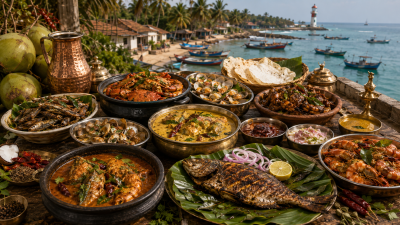
The coastal culinary culture of India, spanning approximately 7,516 km across nine states and two union territories, is a testament to the “Blue Economy” of ancient and medieval India. This culinary landscape is defined by the availability of marine resources, the abundance of coconut palms, and the historical influence of maritime trade routes. Unlike the inland “Wheat-Dairy” or “Rice-Pulse” complexes, the coastal regions prioritize Aquatic Protein, Coconut-based fats, and Acidic souring agents like Kokum, Tamarind, and Vinegar.
The East Coast vs. West Coast: A Comparative Analysis
The culinary traditions of the two coasts differ significantly based on their ecological profiles and historical interactions.
| Feature | West Coast (Arabian Sea) | East Coast (Bay of Bengal) |
| Primary Fat | Coconut Oil (South), Sesame/Groundnut (North) | Mustard Oil (Bengal/Odisha), Sesame (Andhra/TN) |
| Souring Agent | Kokum, Teppal, Vinegar, Raw Mango | Tamarind, Dry Mango, Tomato |
| Grains | Rice, Ragi, Nachni (Millets) | Rice, Mung Dal |
| Signature Spice | Pepper, Cardamom, Teppal (Sichuan Pepper) | Chilies (Guntur), Mustard seeds, Panch Phoron |
| Trade Influence | Arab, Portuguese, Dutch, Parsi | French, British, South-East Asian (Chola maritime) |
Regional Culinary Hubs of the West Coast
Konkan and Goan Heritage
The Konkan belt, stretching from Maharashtra to Goa, is famous for its “Malvani” and “Luso-Indian” fusion.
- Souring Agents: Use of Kokum (Garcinia indica) is a regional marker, acting as a digestive aid and providing a deep purple hue to the Sol Kadhi.
- The Portuguese Legacy: Goa’s cuisine is a unique hybrid where European techniques meet Indian spices. Examples include Vindaloo (derived from Carne de vinha d’alhos), Sorpotel, and Bebinca (a multi-layered dessert).
- Saraswat Brahmin Cuisine: A unique coastal vegetarian and pescatarian tradition that avoids onion and garlic but uses coconut and hing (asafoetida) extensively.
Malabar and Kanara Traditions
The coastline of Karnataka and Kerala is the “Spice Coast” of the ancient world.
- Mappila Cuisine: A blend of Arab and local Malayali styles, characterized by Thalassery Biryani (using Kaima rice) and Arikadukka (stuffed mussels).
- Udupi and Mangalorean Style: Famous for Kori Rotti (chicken curry with crisp rice wafers) and Neer Dosa. The Udupi school is a pioneer in standardized vegetarian coastal dining.
- The Sadya: While predominantly inland, the coastal Sadya incorporates various coconut-based stews like Avial and Olan, emphasizing the preservation of seasonal vegetables.
Regional Culinary Hubs of the East Coast
Coromandel and Andhra Coast
The East Coast is characterized by high heat levels and the use of the tamarind-chili combination.
- Nellore and Kakinada: Famous for Chepala Pulusu (fish tamarind gravy) which uses a specific “earthen pot” cooking method to enhance shelf life in humid conditions.
- Chettinad Influence: Though slightly inland, the Chettinad spice trade influenced the entire Tamil coast, introducing 16 different spices including star anise, kalpasi (stone flower), and marathi moggu.
Odisha and Bengal (The Deltaic Influence)
The culinary culture here is shaped by the confluence of river deltas and the sea.
- Chappan Bhog (Jagannath Temple): The Mahaprasad at Puri is the pinnacle of coastal temple culinary management, featuring Dalma and various rice-based offerings cooked in earthen pots.
- Bengal’s Macher Jhol: Unlike the West Coast, Bengal utilizes Mustard Oil and the Panch Phoron (five-spice mix) for its fish preparations. Iconic dishes include Chingri Macher Malaikari (prawns in coconut milk, reflecting Southeast Asian influence).
Key Ingredients and Technical Innovations
- Teppal/Tirphal: A variety of Sichuan pepper native to the Western Ghats, used in Konkani fish curries to provide a numbing, citrusy aroma.
- Sun-Drying: Coastal communities developed advanced preservation techniques for the monsoon months, such as Dry Fish (Sukti) and sun-dried jackfruit or mango leathers.
- Rice Fermentation: The high humidity facilitates the fermentation of batters for Appam, Sannas, and Idlis, which are staple breakfast items across the entire coastal line.
- Steaming: The use of banana leaves or teak leaves for steaming fish (Patra ni Machi in Parsi-Gujarati style or Pothichiru in Kerala) preserves the delicate oils of the seafood.
Trivia and Facts for UPSC Prelims
- Bandal Cheese: The only Portuguese-origin cheese in India, still produced in the Bandel region of West Bengal.
- GI-Tagged Coastal Products: Guntur Sannam Chili (AP), Konkan Kokum (Maharashtra), Pokkali Rice (Kerala – salt-tolerant variety), and West Bengal Rasogolla.
- The Toddy Factor: Fermented coconut or palm sap (Toddy) was historically used as a leavening agent for breads like Sannas and Appams before the commercial availability of yeast.
- Salt Pans: The coastal regions of Gujarat and Tamil Nadu (Tuticorin) are the primary producers of sea salt, which historically served as the “White Gold” of maritime trade.
- The Hilsa (Ilish) Culture: A cultural icon for Bengalis, this anadromous fish (migrates from sea to river) defines the seasonal culinary calendar of the East Coast.
Material Culture of Coastal Kitchens
- Uruli: Large bronze vessels used in Kerala for slow-cooking and heat retention.
- Kalchatti: Soapstone pots used for Rasam and Meen Vevechirathu (fish curry) as they are resistant to the acidity of tamarind.
- Boti: A traditional curved blade mounted on a wooden platform used across Bengal and Odisha for the precision cutting of fish and vegetables.