

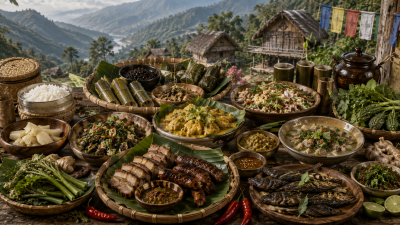
The culinary culture of the “Seven Sister States” (Arunachal Pradesh, Assam, Manipur, Meghalaya, Mizoram, Nagaland, Tripura) and the “Brother” state (Sikkim) is distinct from the mainland “Vedic-Mughal” tradition. It is primarily characterized by the Mongoloid-Tibeto-Burman influence, a deep-rooted “Farm-to-Table” philosophy, and a lack of heavy spices or oil. The cuisine relies on the unique biodiversity of the Eastern Himalayas and the Indo-Burma biodiversity hotspot.
Core Pillars of Northeast Culinary Practices
Unlike the rest of India, the Northeast kitchen is defined by three specific processing techniques: Fermentation, Smoking, and Steaming.
- Zero-Oil Cooking: Most traditional dishes are boiled or steamed. The flavor is derived from indigenous herbs, chilies, and fermented pastes rather than “masalas.”
- Fermentation (The Soul of the Kitchen): Due to the high humidity and heavy rainfall, fermentation became a vital preservation method. Examples include fermented soyabean, bamboo shoot, and fish.
- Smoking and Drying: Meat and fish are hung over the kitchen hearth (Chulha) for months to undergo slow smoking, which imparts a distinct woody flavor and increases shelf life.
Regional Culinary Profiles: A State-wise Analysis
| State | Distinctive Feature | Iconic Ingredients | Signature Dishes |
| Assam | Balance of “Khar” and “Tenga” | Bamboo Shoot, Ghost Pepper, Duck meat | Masor Tenga, Khar, Duck Roast |
| Nagaland | King of Fermentation | Axone (Soyabean), Raja Mircha, Smoked Pork | Smoked Pork with Axone, Galho |
| Manipur | Meitei Herb-rich diet | Ngari (Fermented fish), Black Rice, Lotus root | Eromba, Kangshoi, Chak-Hao Kheer |
| Meghalaya | Khasi-Jaro-Jaintia Meat culture | Black Sesame, Perilla seeds, Wild Mushrooms | Jadoh, Doh-Khlieh, Nakham Bitchi |
| Arunachal | Tribal high-altitude diet | Churpi (Yak Cheese), Marua (Millet), Bamboo shoot | Thukpa, Zan, Pehak |
| Sikkim | Tibeto-Himalayan Fusion | Temi Tea, Dalle Khursani (Chili), Churpi | Momos, Thukpa, Gundruk, Sinki |
| Mizoram | Subtle and Non-spicy | Mustard leaves, Lard, Bamboo shoot | Bai, Sawhchiar, Misa Mach Poora |
| Tripura | “Mui Borok” Heritage | Berma (Fermented fish), Rice, Pork | Mui Borok, Wahan Mosdeng |
The “Khar” and “Tenga” of Assam
Assamese cuisine is built on two unique chemical profiles:
- Khar: An alkaline dish prepared by filtering water through the ashes of sun-dried peels of a specific variety of banana (Bhim Kol). It is believed to be a palate cleanser and digestive aid.
- Tenga: A souring technique using ingredients like Ou Tenga (Elephant Apple), Thekera (Dried Mangosteen), or lemon. The Masor Tenga (Sour Fish Curry) is a quintessential Assamese delicacy.
Indigenous Ingredients and Superfoods
The Northeast is home to several ingredients that have received Geographical Indication (GI) tags or are globally recognized for their potency.
- Bhoot Jolokia (Ghost Pepper): Cultivated in Assam and Nagaland, it was once certified as the world’s hottest chili.
- Chak-Hao (Black Rice): A GI-tagged aromatic glutinous rice from Manipur, rich in anthocyanins (antioxidants).
- Axone/Akhuni: Fermented soyabean cakes used as a flavoring agent in Nagaland.
- Lakadong Turmeric: Grown in Meghalaya, it is famous for having the world’s highest curcumin content (7-12%).
- Churpi: A fermented yak milk cheese (hard or soft) common in Arunachal Pradesh and Sikkim; it is an essential protein source for high-altitude pastoralists.
Fermented Fish and Meat Culture
Animal protein is a staple across the region, but its preparation is unique:
- Ngari/Berma: Sundried, fermented, and salt-free fish used as a base for stews in Manipur and Tripura.
- Jadoh: A Khasi specialty from Meghalaya consisting of red hill rice cooked with pork or chicken blood and organs.
- Gundruk and Sinki: Sikkim’s fermented leafy greens (mustard/radish) and radish roots, respectively, dried and stored for winter.
Beverage Culture and Rituals
Tea and indigenous rice beers hold significant socio-cultural and ritualistic value.
- Apong/Zutho/Bitchi: Traditional rice beers brewed differently by various tribes (Mishing, Angami, Garo). They are often offered to ancestors during festivals.
- Assam Tea: The region produces a significant portion of the world’s black tea. The “Ortho” and “CTC” varieties are central to the state’s economy.
- Kahwa & Su-Cha: In the higher reaches of Arunachal and Sikkim, butter tea (Su-Cha) made from yak butter and salt is consumed for warmth.
Fact Sheet for UPSC Prelims
- The Silk Worm Delicacy: Consuming silkworm pupae (Leta) is common in Assam, providing high protein and reflecting the region’s sericulture heritage.
- Bamboo Shoot (Khorisa): It is used in three forms: fresh, fermented (liquid), and dried. It is the “universal flavoring” of the Northeast.
- The Concept of “Bai”: A Mizo cooking style where vegetables are boiled with salt and Sa-um (fermented pork fat) without any oil.
- Dalle Khursani: The famous red cherry pepper of Sikkim, known for its extreme pungency and medicinal properties.
- Festive Food: Food is central to festivals like Bihu (Assam – Laroo and Pitha), Hornbill (Nagaland), and Wangala (Meghalaya).
Material Culture: Utensils and Service
- Bamboo Tubes: Used for cooking rice (Sunga Saul) or meat over an open fire, which imparts a delicate bamboo aroma.
- Earthen Pots: Essential for the slow fermentation of fish and soyabeans.
- Banana and Broad Leaves: Used for steaming fish or serving meals, particularly in community feasts.
- Brass and Bell Metal (Kanh): Traditional Assamese platters (Ban-bati) are made of bell metal, believed to have health benefits similar to Ayurveda’s Kansa.